Top Daily Habits That Build Successful Kids
Child development is key in parenting. Teaching good habits early is vital for kids’ success. Tips often focus on education, but habits shape social and emotional growth too. Good habits for kids by age. Top Habits to Instill in Kids for Success. A strong foundation helps kids achieve goals and face challenges in school. Good habits come from consistent practice and support from parents. Parents shape their child’s behavior and learning attitude. A supportive environment and positive habits help kids succeed in school and life.
Top Habits to Instill in Kids for Success
Teaching kids good habits builds a strong work ethic, self-discipline, and responsibility. These are crucial for success in school and life. With a solid foundation, kids become confident, develop a growth mindset, and overcome obstacles. This leads to a fulfilling life, the ultimate goal of education and child development.
Introduction to Key Takeaways
Key Takeaways
-
- Instilling good habits in kids is essential for their future success in education and child development.
-
- Parenting tips and a supportive environment can help children develop a strong foundation for success in education.
-
- Good habits can be developed through consistent practice and reinforcement in child development.
-
- Children who develop good habits tend to have better academic performance and social skills in education.
-
- Parents play a significant role in shaping their child’s behavior and attitude towards learning and child development.
-
- By focusing on building a strong foundation, parents can help their children develop the skills and mindset necessary for achieving their goals in education and child development.
Understanding the Impact of Good Habits for Kids
Good habits are key for kids to build a successful and happy life. They help kids grow emotional intelligence, which is vital for strong relationships and school success. A healthy lifestyle is also important for kids’ physical and mental health.
Good habits for kids by age
Studies show that kids who start with good habits early tend to do well later in life. These habits can be things like regular exercise, eating well, and managing time well. Teaching these habits helps kids develop social skills and become more confident and independent. For instance, playing team sports teaches kids how to communicate, work together, and solve problems.
-
- Improved academic performance
-
- Better physical and mental health
-
- Increased confidence and self-esteem
-
- Stronger relationships with family and friends
Knowing how good habits impact kids helps parents guide their children better. This way, parents can help their kids reach their highest potential.
Building Strong Reading and Learning Routines
Creating strong reading and learning habits is key for kids’ education and growth. Parents can foster a lifelong love of learning by encouraging independence and responsibility. This means setting aside time for reading and learning, and making a space that supports education.
Good reading and learning habits include a daily routine with reading time. It’s also important to have a variety of books and educational resources available. Encouraging kids to take charge of their learning helps them develop critical thinking, problem-solving, and time management skills.
Top Habits to Instill in Kids for Success
Education shapes a child’s future, and good reading and learning habits are crucial. As kids grow, they face new challenges and responsibilities. But with a solid foundation in reading and learning, they can handle these and develop a sense of responsibility.
By promoting independence and responsibility in education, parents help kids develop a growth mindset. This mindset is key to overcoming obstacles and achieving goals. It makes kids more confident, self-motivated, and ready for the changing world, leading to a successful and fulfilling life.
Developing Emotional Intelligence and Social Skills
Emotional intelligence and social skills are key for kids. They help kids deal with tough social situations, make strong friendships, and do well in school. By encouraging creativity and critical thinking, parents can lay a solid base for these skills.
Parents can teach emotional intelligence and social skills in many ways. They can show good behavior, talk openly, and give chances for kids to meet others. For instance, sports or creative activities can teach kids to handle setbacks and learn from mistakes.
-
- Active listening
-
- Empathy and compassion
-
- Conflict resolution
By using these skills every day, parents help their kids grow emotionally and socially. This prepares them for success in many areas of life.
Creating Healthy Lifestyle Patterns
Healthy habits are key for kids’ growth, and parents have a big role. By showing and teaching good habits, parents help kids start strong. A balanced diet, exercise, and enough sleep are important for a healthy life.
Good habits for kids by age
Parents can teach kids to eat well by giving them healthy food and snacks. They should limit sugary drinks and junk food. Kids can help with meal planning and cooking too. Exercise, like playing outside or sports, is great for their bodies and minds.
Good sleep habits are also important. A regular sleep schedule and a calm bedtime routine help kids sleep well.
Some key healthy habits for kids include:
-
- Eating a variety of fruits and vegetables daily
-
- Engaging in at least 60 minutes of physical activity per day
-
- Getting 8-10 hours of sleep each night
-
- Practicing good hygiene, such as washing hands frequently
Good habits for kids by age
By making these habits part of daily life, parents set kids up for a healthy future. As kids grow, they’ll keep these habits, reducing the risk of diseases and staying healthy.
Fostering Independence and Responsibility
As kids grow, they need tools and support to become independent and responsible. This means teaching them to make smart choices and own their actions. It helps them learn important social skills like talking and solving problems.
Top Habits to Instill in Kids for Success
Give kids tasks that fit their age, like feeding pets or helping with laundry. These tasks help them feel accomplished and self-reliant. This confidence can help them in school and with friends.
Also, teach kids about money and time management. Give them an allowance to learn saving and budgeting. Help them set goals and prioritize tasks. These skills are key for success in life, improving their education and social abilities.
-
- Assign age-appropriate chores and tasks to promote independence and responsibility
-
- Teach money management skills, such as saving and budgeting
-
- Introduce time management basics, such as prioritizing tasks and setting goals
Good habits for kids by age
By teaching kids to be independent and responsible, parents help them grow. They learn important social skills and emotional intelligence. This sets a strong foundation for their future success in school and life.
Nurturing Creativity and Critical Thinking
Child development is complex and vital. It includes nurturing creativity and critical thinking. Parenting tips that boost these skills are crucial. They help a child innovate and solve problems.
Engaging in creative activities like painting or crafting is key. It helps foster a child’s imagination and creativity.
As children grow, they start asking questions and seeking answers. This is a natural part of learning. By asking open-ended questions, parents can encourage critical thinking.
Good habits for kids by age
For example, asking “What do you think will happen if…” or “How do you think we can solve this problem?” helps. It makes children think critically and creatively.
 Top Habits to Instill in Kids for Success
Effective parenting tips for nurturing creativity and critical thinking include:
-
- Providing opportunities for creative expression, such as art, music, or drama
-
- Encouraging children to ask questions and seek answers
-
- Posing open-ended questions that stimulate critical thinking
-
- Encouraging children to take risks and try new things
By following these tips, parents can nurture creativity and critical thinking. This helps children succeed in academics, personal relationships, and their careers. It’s a key part of child development and parenting tips that promote creativity.
Building Resilience and Growth Mindset
Helping kids develop resilience and a growth mindset is key for their success. We teach them to handle failure and setbacks. This builds critical thinking skills and promotes a healthy lifestyle.
Good habits for kids by age
Teaching kids to see failures as growth chances is important. We encourage them to reflect on mistakes and find ways to improve. This helps them grow and stay motivated to reach their goals.
Top Habits to Instill in Kids for Success
Here are some ways to build resilience and a growth mindset:
-
- Encourage kids to take risks and see failures as learning chances
-
- Teach them to set realistic goals and plan to achieve them
-
- Help them solve problems and learn from mistakes
-
- Show a growth mindset ourselves, as kids learn from what we do
By using these strategies, we help kids grow resilient and develop a growth mindset. This is crucial for success in today’s world.
Conclusion: Empowering Your Child’s Journey to Success
Starting to teach good habits to your child is a long-term effort. It needs patience, persistence, and a caring space. By using the tips from this article, you can help your child grow strong skills and a winning mindset.
Every action you take, like encouraging reading or teaching emotional smarts, helps your child grow. It prepares them for life’s ups and downs. Be a supportive guide, offering help, cheer, and the tools they need to succeed.
Good habits for kids by age
Teaching good habits early is key to raising successful kids. By focusing on your child’s growth, you’re not just shaping their future. You’re also helping make the world a better place. Enjoy the journey, celebrate every small victory, and watch your child become a confident, strong, and successful person.
Good Habits Kids Should Practice at Home Daily
Creating a nurturing environment that encourages positive habits for children is crucial for their development and future success. As a parent, establishing a consistent routine can have a lasting impact on your child’s well-being.

A well-structured kids’ routine helps children feel secure and develop a sense of responsibility. By introducing healthy habits early on, you can set your child up for a lifetime of benefits. In this article, we’ll explore the essential types of positive habits, strategies for implementing them, and how to overcome common challenges.
Key Takeaways
-
- Establishing a consistent routine is crucial for children’s development.
-
- Positive habits can have a lasting impact on a child’s well-being.
-
- A well-structured routine helps children feel secure and responsible.
-
- Introducing healthy habits early on can benefit children throughout their lives.
-
- Creating a nurturing environment encourages positive habits in children.
Essential Types of Good Habits for Children
Instilling good habits in children from a young age can have a lasting impact on their lives. By teaching kids various essential habits, parents can help them develop into responsible, healthy, and well-adjusted individuals.
Personal Care and Hygiene Routines
Teaching children the importance of personal care and hygiene is fundamental. Simple habits like brushing teeth twice a day, washing hands regularly, and bathing or showering daily can significantly impact their health. Encouraging kids to maintain these habits helps them understand the value of cleanliness and self-care.
Healthy Eating and Sleeping Patterns
Developing healthy eating habits and consistent sleeping patterns is crucial for a child’s physical and mental well-being. Parents can encourage healthy eating by providing balanced meals and limiting junk food. Establishing a bedtime routine helps kids develop good sleeping habits, ensuring they get enough rest.
Responsibility and Chore Completion
Assigning chores to children helps them understand the value of contributing to the household. By completing tasks like feeding pets, making their bed, or helping with laundry, kids learn responsibility and develop a sense of accomplishment.
Organization and Time Management
Teaching children organization and time management skills is vital for their academic success and future careers. Encouraging kids to use planners or calendars, set reminders, and prioritize tasks helps them stay organized and manage their time effectively.
| Good Habit | Benefits | Examples |
|---|---|---|
| Personal Care and Hygiene | Prevents illnesses, promotes self-care | Brushing teeth, washing hands, bathing |
| Healthy Eating and Sleeping | Supports physical and mental health | Balanced meals, bedtime routine |
| Responsibility and Chores | Teaches responsibility, sense of accomplishment | Feeding pets, making bed, helping with laundry |
| Organization and Time Management | Enhances academic success, future career readiness | Using planners, setting reminders, prioritizing tasks |
Implementing Good Habits for Kids at Home
Helping children develop healthy habits requires a thoughtful approach. By understanding the importance of consistency, positive reinforcement, and age-appropriate strategies, parents can create an environment that fosters healthy habits for kids.
Age-Appropriate Habit Building Strategies
Children develop at different rates, and what works for one child may not work for another. Tailoring habit-building strategies to a child’s age and developmental stage is crucial. For younger children, simple tasks like picking up toys can be a starting point. As they grow older, more complex responsibilities can be introduced.
Good habits for kids by age
For instance, toddlers can begin with basic hygiene practices like washing hands, while teenagers can take on more significant responsibilities like managing their schedules.

Creating Consistent Routines and Systems
Consistency is key when it comes to developing healthy habits for kids. Establishing routines helps children understand what is expected of them. Creating a daily schedule that includes time for homework, chores, and physical activity can help kids develop a sense of responsibility and structure.
Good habits for kids by age
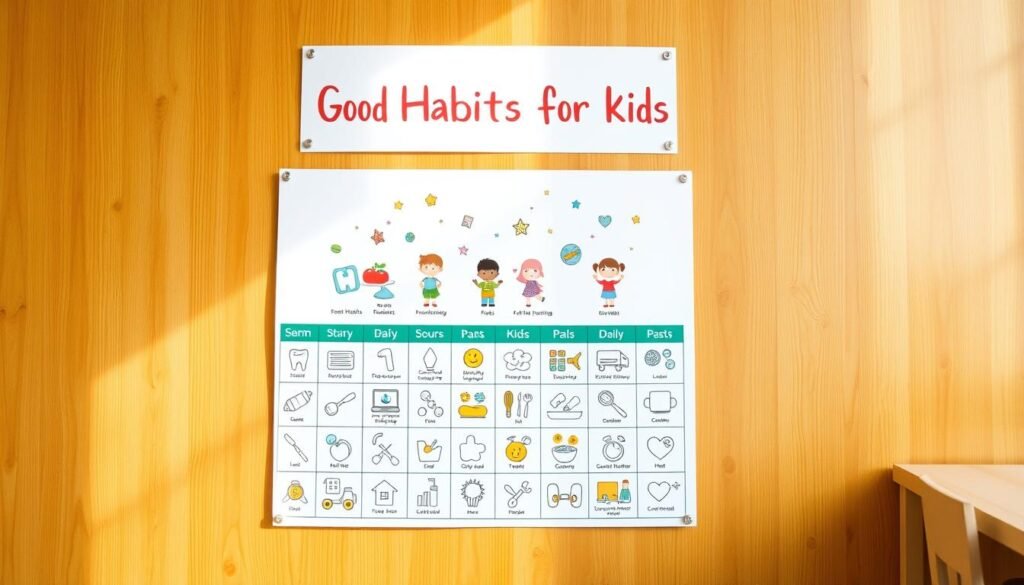
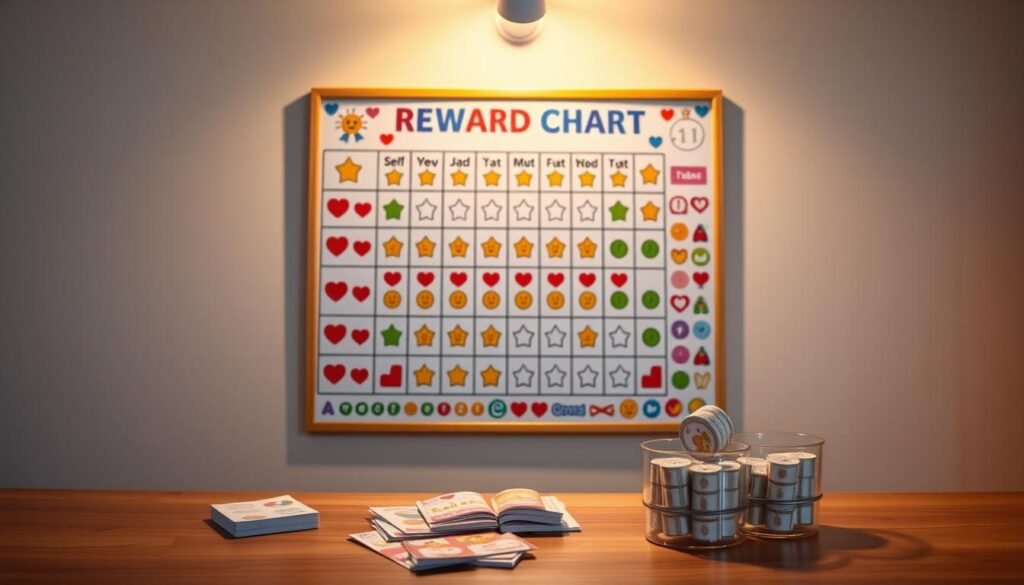
Parents can use tools like charts or apps to track progress and stay organized. This not only helps kids stay on track but also teaches them valuable organizational skills.
Using Positive Reinforcement Effectively
Positive reinforcement is a powerful tool for encouraging good habits in kids. Praise, rewards, or special privileges can motivate children to continue practicing healthy habits. However, it’s essential to use positive reinforcement judiciously to avoid creating an expectation of reward for every task.
By acknowledging and appreciating their efforts, parents can help kids develop a positive self-image and a genuine interest in maintaining healthy habits.
Overcoming Common Challenges and Resistance
Despite the best efforts, children may still resist adopting healthy habits. Anticipating potential challenges and having strategies in place can help parents navigate these obstacles. It’s essential to remain patient, consistent, and supportive.
By working together with their children and making adjustments as needed, parents can help them overcome resistance and develop healthy habits that last a lifetime.
Conclusion
Instilling good habits in kids is a valuable investment in their future, setting them up for a lifetime of success and well-being. By understanding the essential habits and implementing effective strategies, parents can help their children develop the skills and routines necessary for a happy, healthy life.
Creating a supportive environment and being consistent are key to helping your child thrive. By following the guidance provided, you can empower your child to develop positive habits that will benefit them in the long run. With patience, persistence, and positive reinforcement, you can help your child build a strong foundation for a bright and promising future.
FAQ Good habits for kids by age
What are some essential good habits for kids to develop at home?
Some essential good habits for kids to develop at home include personal care and hygiene routines, healthy eating and sleeping patterns, responsibility and chore completion, and organization and time management.
How can I help my child develop healthy eating habits?
To help your child develop healthy eating habits, establish a consistent meal routine, encourage a balanced diet, and limit unhealthy snacks. You can also involve your child in meal planning and preparation to teach them about nutrition and responsibility.
What are some effective strategies for teaching kids responsibility and chore completion?
Effective strategies for teaching kids responsibility and chore completion include assigning age-appropriate tasks, creating a routine or schedule, and providing positive reinforcement, such as praise or rewards, for completing tasks.
How can I help my child develop good time management skills?
To help your child develop good time management skills, establish a daily routine that includes dedicated time for homework, chores, and activities. You can also teach your child to prioritize tasks, set goals, and use a planner or calendar to stay organized.
What if my child resists developing new habits?
If your child resists developing new habits, try to understand the underlying reasons for their resistance. You can also make the process more engaging and fun by incorporating games, challenges, or rewards. Be patient and consistent, and offer positive reinforcement to encourage your child to adopt new habits.
How can I maintain consistency in enforcing good habits at home?
To maintain consistency in enforcing good habits at home, establish clear expectations and routines, and ensure that all caregivers are on the same page. You can also create a visual reminder, such as a chart or checklist, to help your child stay on track.
Good Habits for Kids by Age
Developing good habits in the beginning of life is very important. These habits can last a lifetime. It’s important to teach children routines that help their physical, mental, and emotional health. Here are some good habits below:
1. Hand Washing Regularly: Teach kids to wash their hands before eating, after washroom and playing outside the home. This keeps away from germs and keeps them healthy.
Health Line Signals
2. Brushing Teeth Twice a Day: Good oral hygiene starts young. Exercise children to brush their teeth in early morning and before going to the bed. This prevents cavities and promotes dental health.
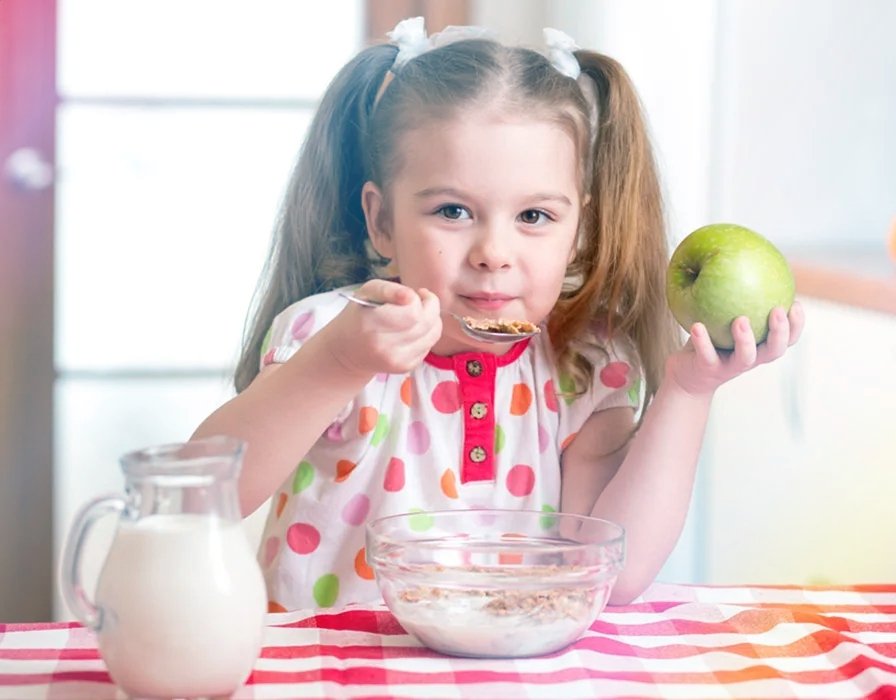
3. Eating Healthy Foods: Introduce kids to fruits, vegetables, whole grains, and other nutritious foods. Limit sugary snacks and drinks. Explain the benefits of healthy eating in a fun way.
4. Drinking Plenty of Water: Water is essential for growing bodies. Guide children to drink water instead of sugary substances. This keeps them healthy.
5. Sleeping on Time: A consistent bedtime routine is key. It helps kids get the rest they need. Good sleep improves concentration, mood, and growth. Kids 9–12 hours of sleep is very important in every night.
6. Daily Physical Activity: Encourage regular play and exercise. Activities like riding, sports, or dancing are great. It helps kids stay active and build strong muscles and bones.
7. Reading Every Day: Reading improves vocabulary, imagination, and concentration. Make reading a daily habit. Read together or let kids explore books on their own.
8. Being Respectful and Polite: Teach kids to use polite words like “please,” “thank you,” and “sorry.” Encourage them to listen and show kindness to everyone.
9. Keeping Things Tidy: Developing the habit of putting toys away and organizing helps kids become more responsible. It makes them more organized.
10. Limiting Screen Time: Set boundaries for TV, tablet, and phone usage. Too much screen time can affect sleep, learning, and physical health. Encourage creative play and outdoor activities instead.
11. Telling the Truth: Honesty builds trust. Encourage kids to always tell the truth, even when they make mistakes. Praise honesty to reinforce this behavior.
12. Helping Others: Teach kids to lend a hand at home, share with friends, and show empathy. Helping others makes them feel good and builds strong character.
13. Practicing Gratitude: Encourage children to express what they are thankful for each day. This helps them develop a positive attitude and appreciate the good in their lives. You May Also like
Developing good habits takes time, patience, and consistent guidance. Praise and encouragement help reinforce these positive behaviors. By starting early, parents and caregivers can help kids grow into confident, healthy, and responsible adults.
The Foundation of Success: The Importance of Good Habits for Kids
Introduction to Good Habits
Good habits can be defined as routine behaviors that are beneficial to an individual’s overall well-being. These habits, often developed during childhood, lay a foundational framework for personal growth, health, and future achievements. In early formative years, children are molded by their experiences and surroundings, making the establishment of positive behaviors crucial for their development. When children cultivate good habits, they not only enhance their immediate environment but also equip themselves with essential skills for navigating challenges later in life.
Top Daily Habits That Build Successful Kids
The significance of good habits in childhood is multifaceted. During the early stages of life, children are particularly impressionable; thus, the practices they adopt can remain with them throughout their lives. For instance, habits such as reading regularly, exercising, and practicing empathy contribute to a well-rounded development, fostering both mental and physical health. Conversely, negative habits can lead to detrimental outcomes, underscoring the need for intentional guidance in reinforcing positive behavior.
10 Simple Daily Habits Every Child Should Learn
The Science Behind Habit Formation
Habit formation is a complex psychological and neurological process that unfolds over time. At its core, a habit is a behavior that becomes automatic as a result of repeated practice. Research indicates that the brain plays a crucial role in this development, with specific structures such as the basal ganglia, which are involved in motor control and decision-making, being pivotal in the creation and reinforcement of habits. When children engage in particular behaviors consistently, these actions stimulate the brain’s reward systems, specifically the release of dopamine, which creates a pleasurable sensation associated with the behavior.
Good habits for kids by age
What Are Good Habits for Kids? A Parent’s Guide
The process of habit formation can be understood through the ‘cue-routine-reward’ model. Initially, a cue prompts a specific behavior (the routine), and the subsequent reward serves to reinforce that behavior, increasing the likelihood that it will be repeated. For children, this cycle is particularly important. Their brains are still developing, which makes them more adaptable to forming new habits that can last over time. The repetition of positive behaviors, such as reading or exercising, when paired with appropriate rewards—be it praise or small incentives—can solidify these actions into long-term habits.
Core Habits Every Child Should Develop
Establishing core habits in childhood lays the groundwork for future success and personal development. Among the most vital habits that all children should foster are effective time management, consistent reading, maintaining cleanliness, and the practice of gratitude. Each of these habits not only contributes to a child’s overall growth but also equips them with essential life skills.
Complete List of Good Habits for Kids by Age
Time management is a crucial habit for children to develop as it helps them prioritize tasks, set goals, and meet deadlines. By learning to allocate time wisely between academics, play, and responsibilities, children enhance their productivity. This skill is beneficial throughout life, aiding in the handling of various commitments and reducing stress levels.
Good habits for kids by age
Furthermore, reading regularly is instrumental in a child’s intellectual growth. Engaging with books stimulates imagination, enhances vocabulary, and improves comprehension skills. Children who cultivate a habit of reading often perform better academically, as it encourages critical thinking and expands their knowledge across a multitude of subjects. Establishing a routine for reading can quickly become a cherished part of a child’s daily life.
Good habits for kids by age
Maintaining cleanliness is another fundamental habit that promotes personal responsibility and organization. Teaching children to keep their surroundings tidy instills a sense of respect for their environment and fosters discipline. This habit not only leads to healthier living conditions but also reinforces the concept of taking ownership of one’s space and belongings.
Good Habits Kids Should Practice at Home Daily
Lastly, practicing gratitude is an essential habit that can profoundly impact emotional well-being. Encouraging children to express appreciation for what they have helps cultivate a positive mindset. Furthermore, children who practice gratitude tend to develop stronger relationships and demonstrate higher levels of empathy towards others.
Incorporating these core habits into a child’s routine plays a significant role in shaping their character and future success.
The Role of Parents and Caregivers
Parents and caregivers play a crucial role in shaping the habits of children, profoundly influencing their behavior and choices during formative years. By actively encouraging and modeling good habits, they create an environment that fosters healthy development and lifelong success. Establishing a supportive atmosphere begins with open lines of communication. Caregivers should engage children in discussions about the importance of good practices, setting clear expectations that align with family values and goals.
Good habits for kids by age
Incorporating routines into daily life can significantly contribute to the development of beneficial habits. For example, having a structured schedule for homework, chores, and family activities helps children understand the value of time management and responsibility. Consistent bedtime routines can promote better sleep hygiene, while regular family meals encourage nutritional awareness and foster social skills. Additionally, parents should be wise in their choices about their own behavior, as children often emulate their role models. Demonstrating healthy habits, such as exercising regularly or reading daily, reinforces the idea that these practices are integral to a fulfilling life.
Good habits for kids by age
Furthermore, the significance of praise and positive reinforcement cannot be overstated. When children exhibit good habits, acknowledgment from parents can strengthen these behaviors. This approach helps build self-esteem and motivates children to continue engaging in positive actions. Conversely, it is vital for caregivers to approach mistakes with understanding rather than frustration, allowing for growth and learning. By discussing setbacks and exploring ways to improve, parents can cultivate resilience and adaptability in their children.
In conclusion, the commitment of parents and caregivers to model and instill good habits creates a ripple effect that significantly impacts children’s lifelong success. Through active engagement, structured routines, and positive reinforcement, they can effectively lay the groundwork for healthy, responsible future generations.
How Schools Can Promote Positive Habits
Educational institutions play a crucial role in shaping the habits and behaviors of children during their formative years. Schools are not merely places for academic learning; they also serve as environments where essential life skills can be cultivated. By implementing structured programs and initiatives, schools can effectively promote the development of positive habits that will benefit students in both their academic pursuits and personal lives.
One effective approach is the incorporation of social-emotional learning (SEL) curricula. These programs focus on developing skills such as self-awareness, self-regulation, and relationship-building. By fostering a supportive and collaborative environment, schools can help students learn to manage their emotions and behaviors, which are critical components of good habits. For example, teaching children how to set goals, manage their time, and resolve conflicts can lead to the establishment of productive routines and interpersonal skills that will serve them well throughout their lives.
Good habits for kids by age
Additionally, schools can partner with families to build a home and school connection that reinforces positive habits. Workshops and seminars can be organized for parents to educate them on the importance of instilling good habits at home, such as reading regularly, maintaining organizational skills, and encouraging physical activity. The reinforcement of these practices in both environments contributes to a consistent message about the importance of good habits.
Furthermore, schools can integrate positive reinforcement strategies to motivate students. Recognizing and rewarding students for demonstrating good habits, whether through verbal praise, badges, or special privileges, can enhance their intrinsic motivation to adopt and maintain these behaviors. By creating an atmosphere that values and celebrates good habits, schools lay a strong foundation for students to carry these practices into adulthood, ultimately contributing to their long-term success.
Overcoming Challenges in Habit Formation
The process of habit formation is often accompanied by various challenges that can hinder the establishment of good habits in children. Among the most common obstacles are distractions, peer pressure, and a noticeable lack of motivation. Recognizing these challenges is the first step in creating an effective strategy to support children in developing and maintaining positive habits.
Distractions abound in today’s fast-paced environment, particularly from digital devices and social media. Children may find it difficult to concentrate on tasks that contribute to their personal growth and development. To combat this distraction, parents and educators can create dedicated time and space for habit formation. Designating specific periods for homework, reading, or other productive activities, free from digital interruptions, can foster an environment conducive to developing good habits.
Good habits for kids by age
Peer pressure is another significant factor that can impede children from adhering to positive behaviors or routines. The desire to fit in with peers can result in prioritizing socially acceptable activities over beneficial habits. Open communication is crucial in these moments. Parents and educators should encourage discussions about the importance of ethical behavior and the long-term benefits of good habits. Engaging children in discussions about their feelings and experiences with peer pressure can help them navigate these situations more effectively.
Good habits for kids by age
Lack of motivation may stem from the perceived difficulty of establishing new habits or a misunderstanding of their significance. To address this, it is essential to instill a growth mindset in children. This approach focuses on the belief that effort leads to improvement over time. Offering small, achievable goals can enhance a child’s sense of accomplishment, gradually motivating them to pursue larger challenges. Through consistent encouragement and reinforcement, kids can learn the value of persistence and the satisfaction that comes with successfully developing good habits.
The Long-Term Benefits of Good Habits
Establishing good habits during childhood serves as a cornerstone for lifelong success and well-being. One of the most significant advantages is the enhancement of academic performance. Children who cultivate habits such as consistent studying, time management, and organization are often better prepared to tackle their schoolwork. This diligent approach not only aids in achieving better grades but also fosters a deep love for learning, encouraging students to become lifelong learners.
Good habits for kids by age
In addition to academic success, good habits contribute to healthier relationships. Children who practice empathy, active listening, and effective communication are more likely to build strong, supportive friendships. This social competence allows them to navigate peer interactions more effortlessly, which can lead to deeper connections as they grow older. Furthermore, these skills can enhance family dynamics, promoting a nurturing home environment that aids emotional development.
The cultivation of good habits also plays a pivotal role in promoting physical and mental health. Kids who establish routines that include regular physical activity, adequate sleep, and balanced nutrition are more likely to maintain these behaviors into adulthood. This commitment to health reduces the likelihood of obesity and chronic diseases while also fostering positive mental health. Children who learn to cope with stress through mindfulness or constructive outlets are equipped to manage life’s challenges, thereby enhancing their resilience.
Good habits for kids by age
Lastly, the integration of good habits fosters resilience in the face of adversity. Children who develop the ability to set goals, persist in the face of obstacles, and adopt a problem-solving mindset are more poised to confront future challenges. These traits are indispensable as they transition into adulthood, ultimately shaping how they respond to setbacks, pursue their ambitions, and navigate life’s complexities. The long-term benefits of good habits are profound and lasting, contributing to a well-rounded and successful life.
Real-Life Success Stories
Throughout history, numerous individuals have attributed their achievements to the good habits cultivated during their formative years. These real-life success stories serve as powerful examples of how positive behaviors can shape one’s future. One notable figure is American entrepreneur and author, Richard Branson. As a child, Branson struggled with dyslexia, yet he developed tenacity and self-discipline through various personal projects. His early habit of exploring new ideas and setting ambitious goals laid the groundwork for his future success as the founder of the Virgin Group. Branson often emphasizes the significance of embracing challenges and staying curious, calling back to the habit formation that took place in his youth.
Another inspiring example is Malala Yousafzai, who has become a global symbol of educational advocacy. From an early age, Malala demonstrated habits such as resilience, critical thinking, and activism. Growing up in Pakistan, she prioritised education despite facing significant obstacles. Malala’s commitment to learning and her outspoken nature were habits ingrained in her upbringing, ultimately leading to her receiving a Nobel Prize for her efforts in promoting education for girls worldwide. Her story exemplifies how cultivating good habits not only impacts personal success but also the ability to influence change on a broader scale.
Good habits for kids by age
Additionally, athletes often showcase the importance of habit formation in achieving their goals. Take the case of Olympic swimmer Michael Phelps. Phelps was introduced to swimming at a young age, where he developed various habits around discipline, routine, and perseverance. His daily practice sessions, rigorous training, and goal-setting rituals became pivotal in shaping his career, resulting in him securing a record-breaking number of Olympic medals. These stories highlight the transformational power that good habits can offer children, encouraging families to instill positive behaviors that could lead to future success.
Conclusion: Investing in a Bright Future
In reflecting upon the significance of cultivating good habits during childhood, it becomes clear that the foundations laid in these early years profoundly influence a child’s trajectory into adulthood. The establishment of positive routines, whether they be related to education, social interactions, or personal well-being, empowers children to navigate the complexities of life with confidence and resilience. Good habits foster critical thinking, enhance emotional intelligence, and contribute to overall academic and personal success.
Moreover, the role of parents, educators, and caregivers in this developmental phase is paramount. By prioritizing and reinforcing beneficial behaviors, adults can create an environment that encourages kids to adopt healthy routines and practices. This consistent support not only instills a sense of responsibility but also helps children recognize the rewards associated with their actions, ultimately leading them toward a fulfilling and prosperous future. Encouraging habits such as reading regularly, engaging in physical activity, and practicing kindness lays the groundwork for lifelong principles that children can carry with them into their adult lives.
Good habits for kids by age
As we strive to invest in this brighter future, it is essential for society to recognize the value of instilling good habits. The collective effort to nurture children, emphasizing the importance of character, discipline, and positive self-image, can create a ripple effect benefiting future generations. Thus, it is crucial for all stakeholders in a child’s life to actively promote a culture where the importance of good habits is championed. By doing so, we not only enhance the individual lives of our children but also contribute to the success and well-being of our communities at large.