
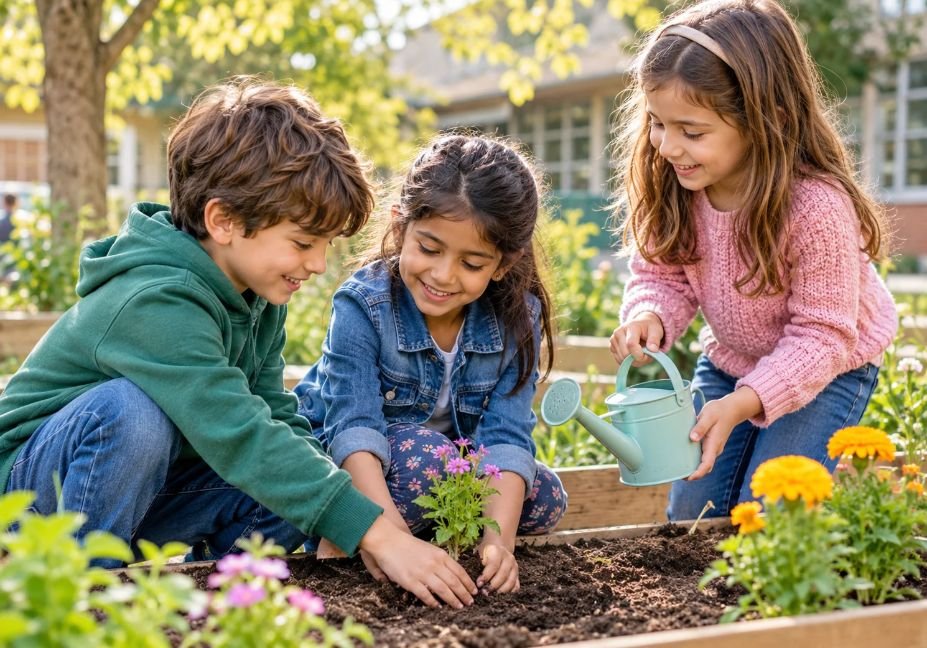
Your child just handed their little brother a crayon without being asked, and your heart melts. Moments like that don’t happen by accident. Kids learn kindness the way they learn to tie shoes: with practice, patience, and a little fun. 21 easy kindness activities for kids are below:
That’s where kindness activities for kids come in. Simple, hands-on ideas turn a big word into something small hands can actually do. The American Academy of Pediatrics lists helping your child develop empathy, respect, and acceptance as a building block of healthy emotional growth. It also suggests letting kids see you treat everyone with kindness.
Below are 21 easy ideas sorted by age, from toddlers to tweens. Most cost little or nothing, and none need special skills. Pick one that fits your week and give it a try.
Why Teaching Kids Kindness Matters
Kindness is more than good manners. It’s a set of skills: noticing how someone feels, caring about it, and doing something helpful. Researchers call this prosocial behaviour, and like any skill, it grows with practice.
The good news? Kids don’t need big gestures. A drawing for a neighbour or a shared snack at the park counts. Each small act shows a child that their choices change how others feel. That’s the heart of empathy and a core piece of social-emotional learning.
- Stronger friendships and fewer playground conflicts
- Better emotional awareness and self-control
- A warmer, calmer home for the whole family
- More confidence from helping others
Did You Know? World Kindness Day is celebrated every November 13. In the U.S., Random Acts of Kindness Day falls on February 17, according to Wikipedia’s page on the observance. Either date is a great excuse to try something new together.
Now that you know why it matters, let’s start with the youngest helpers.
Easy Kindness Activities for Toddlers (Ages 2–3)
Toddlers are still figuring out that other people have feelings, and that’s completely normal. Keep these toddler kindness activities short, hands-on, and silly. Five minutes is plenty.
- Gentle hands practice. Sit with a teddy bear and show how to pat it softly. Say “gentle hands” each time. This builds the habit before they need it with pets and baby siblings.
- Teddy bear hospital. Put a bandage on a stuffed animal and ask, “Teddy feels sad. How can we help?” Toddlers love the role-play, and they start linking feelings to caring actions.
- Helper of the day. Give one tiny job, like carrying napkins or watering a plant. Thank them with details: “You helped our family eat dinner.”
- Hug or high-five? Let your toddler choose how to greet a friend. It teaches kind choices and respects personal space.
- Feelings faces. Flip through a picture book and ask, “Who looks sad? What would help?”
Parent Tip: Name the kindness out loud. Try, “You gave Mia your truck. That was kind.” Toddlers learn the word by hearing it right next to the action.
Once your little one gets the hang of gentle, caring play, preschool is the perfect time to add crafts and community.
Fun Kindness Activities for Preschoolers (Ages 3–5)
Between ages three and five, kids get curious about people outside the family. These preschool kindness activities add art and teamwork to the mix.
- Kindness rocks. Paint smooth rocks with hearts and cheerful words, then leave them on a park wall for someone to find. The Kindness Rocks Project helped turn this idea into a community art movement, and it’s easy to do at home with washable, non-toxic paint.
- Kindness jar. Write simple ideas on paper slips, such as “draw a picture for Grandma” or “share a snack”. Pick one each morning.
- Kindness paper chain. Add one link for every kind act. Watch how long it grows by the end of the month.
- Thank-you pictures for helpers. Draw a card for the mail carrier, bus driver, librarian, or nurse. Children begin to notice the people who help them every day.
- Pet and bird care. Fill the pet’s water bowl, or make a pinecone bird feeder with seed butter and birdseed. Caring for another living thing builds tenderness.
21 Easy Kindness Activities for Kids That Build Empathy
Pro Styling Tip: Craft days get messy. Dress little artists in washable cotton tees and leggings so nobody worries about paint. Always supervise young children, and choose non-toxic supplies with no small loose parts.
Preschoolers love making things for others. As kids grow, they can take on bigger projects.
Kindness Activities for School-Age Kids (Ages 6–10)
School-age kids can plan, organise, and follow through. Let them help choose the activity, because buy-in is everything at this age.
- Seven-day kindness challenge. Make a simple checklist: compliment a classmate, help set the table, and write a note to a teacher. Check off one box a day.
- Kindness bingo. Fill a three-by-three grid with kind acts. Celebrate a bingo with a family movie night or a trip to the park.
- A cause-driven lemonade or bake sale. Let your child choose the charity and run the stand with you nearby. Counting the donation teaches generosity and maths. Check your local rules for sidewalk stands first.
- Faraway letters. Write to a grandparent, cousin, or a friend who moved away. Real mail feels special in a digital world.
- Include someone new. Role-play how to invite a lonely classmate to play. Practicing the words makes them easier to use on the playground.
21 Easy Kindness Activities for Kids That Build Empathy
Not sure where to start? This quick table matches kindness activities to your child’s age and your schedule.
| Age Group | Easy Activity | Time Needed | Cost | Skill Built |
|---|---|---|---|---|
| Toddler (2–3) | Gentle hands with a teddy | 5 min | Free | Gentle touch, early empathy |
| Preschool (3–5) | Kindness rocks. | 30–45 min | Under $10 | Thoughtfulness, creativity |
| School-age (6–10) | Kindness bingo | Ongoing | Free | Habit building, follow-through |
| Tween (11–14) | Neighbourhood helper hour | 1 hour | Free | Responsibility, perspective-taking |
Older kids can handle even more independence, which brings us to the tween years.
Kindness Activities for Tweens (Ages 11–14)
Tweens roll their eyes at anything that feels babyish. Give them real responsibility and ownership instead.
- Neighbourhood helper hour. With your okay, offer to rake leaves, carry groceries, or walk the dog for an older neighbour. Fall is the perfect season for it.
- Donation drive. Let your tween organise a collection of gently used books, toys, and outgrown clothes for a local shelter or charity.
- Kind online habits. Challenge them to send three encouraging messages to friends each week and to quietly support someone who is being teased.
- Reading buddy. Have them read aloud to, or help with homework for, a younger sibling. Teaching someone else builds patience.
- Self-kindness journal. Each night, write down one thing they did well. Kindness starts with how kids talk to themselves.
Parent Tip: Ask, don’t assign. “What would you like to do to help?” works better than “You should volunteer.” Tweens commit more to ideas they create.
Budget-Friendly Kindness Activities You Can Do at Home
Meaningful kindness doesn’t need a big budget. Most ideas here use supplies you already own. Here’s a simple checklist to gather before you begin.
Kindness Supply Checklist
- Construction paper, washable markers, and stickers
- An empty jar or shoebox for kindness notes
- Smooth rocks from the yard or park
- Plain envelopes and stamps for letters
- Washable, non-toxic paint and old shirts
21 Easy Kindness Activities for Kids That Build Empathy
Planning a donation day? Go through closets together. Set aside outgrown pieces in good shape, wash them, and check for missing buttons or broken zippers before they go. If your child needs fresh basics for school or craft days afterward, browse our affordable kids’ clothing collection for comfy everyday pieces.
How to Make Kindness a Daily Habit
One-off activities are fun. Daily habits are what stick.
- Model it. Kids copy what they see. Thank the cashier, hold the door, and say sorry when you slip up.
- Notice it. Catch kind moments as they happen: “You waited for your friend. That was thoughtful.”
- Talk about feelings. After a story or a squabble, ask, “How do you think she felt?”
- Make it routine. At dinner, share one kind thing you saw or did today.
- Praise effort, not prizes. A hug and a specific thank-you work better than a treat.
For more everyday ideas, explore our Parenting & Lifestyle guides.
Beyond the fun, there’s a smart way to teach kindness and a few traps worth skipping.
What to Avoid When Teaching Kindness
- Forcing hugs or scripted apologies. A forced “sorry” teaches words, not empathy. Ask, “How do you think he feels? What could help?”
- Paying for good behaviour. Rewards can make kindness about the prize. Offer praise and connection instead.
- Sending kids to approach strangers alone. Stay with them when leaving notes, rocks, or treats in public places.
- Shaming. Saying “That wasn’t nice” can shut kids down. Curious questions open them up.
- Expecting perfection. Kids have off days. Keep modelling, and try again tomorrow.
What Parents Are Saying
Parents trade kindness ideas every day in communities like Reddit’s r/Parenting. It’s a good place to swap routines that worked for your family or pick up a fresh idea for a rainy afternoon.
Our tip: start with one activity from this list, see how your child responds, and adapt. Every family’s rhythm is different, and that’s okay.
FAQ: Kindness Activities for Kids (People Also Ask)
What are some easy kindness activities for kids?
Easy kindness activities for kids include making thank-you cards, painting kindness rocks, starting a kindness jar, helping with a small chore, and donating outgrown toys or clothes. Choose ideas that match your child’s age, take under 30 minutes, and use supplies you already have at home.
How do you teach kindness to a toddler?
Teach toddlers kindness through modelling and simple words. Show gentle touch with a stuffed animal, name feelings in picture books, and point out kind moments as they happen. Toddlers learn through repetition, so keep each activity to a few minutes and celebrate small wins like sharing a toy.
At what age can kids start doing acts of kindness?
Many children show early empathy around age two, such as patting a crying friend. With adult help, toddlers can join simple kind acts like feeding a pet or handing a drawing to a neighbor. Activities become more independent with each year.
How can I make kindness activities fun for kids?
Turn them into games and crafts. Kindness bingo, scavenger hunts, and decorating a jar give kids a goal and a bit of friendly challenge. Let your child choose the activity, add music or a snack, and keep sessions short so it feels like play, not homework.
What are good random acts of kindness for kids at school?
Kids can invite a classmate to join a game, thank the custodian, share supplies, write an encouraging note, or sit with someone alone at lunch. These free acts take only seconds, and they help children build confidence and friendships.
21 Easy Kindness Activities for Kids That Build Empathy
Start Small, Keep It Kind
Kindness grows through small, repeated moments, and you don’t need fancy supplies to begin. Three takeaways to remember: match activities to your child’s age, keep them short and playful, and model the behavior yourself.
Whether you’re painting rocks with a preschooler or organizing a donation drive with a tween, these kindness activities for kids turn good intentions into habits. At American Kids Store, we love helping families with stylish, affordable, quality pieces for every season of childhood.
Bookmark this guide, then explore more outfit ideas and family tips in our Seasonal Guides at americankidsstore.com.
Content Disclaimer: The activity ideas and parenting tips in this article are for informational and inspiration purposes only. Always supervise young children, choose age-appropriate and non-toxic materials, and check for allergies or choking hazards. Product availability, sizing, and prices may vary.