
Every child is different, and that’s especially true for kids with autism, whose interests, sensory preferences, and comfort needs can vary widely from one child to the next. The good news is there’s no shortage of engaging activities to choose from — the key is finding what resonates with your child’s unique sensory profile. This guide shares 20 activities for kids with autism, organized by sensory preference rather than strict age brackets, since every child’s needs are individual. We’ve also included practical guidance on comfortable, sensory-friendly clothing, since what a child wears can make a real difference in how fully they’re able to engage and enjoy an activity.
Whether your child seeks out movement and pressure, prefers quiet focused play, or finds comfort in repetition and routine, you’ll find ideas here to try together.
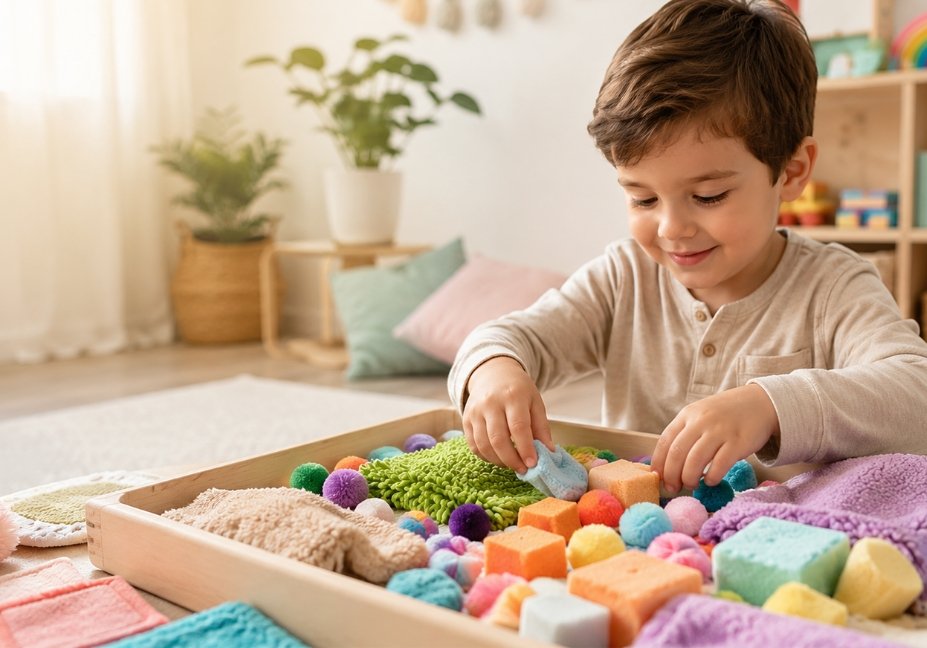
Understanding Sensory Needs in Play
Many kids with autism experience the world through a different sensory lens — some seek out extra sensory input (movement, pressure, sound), while others are more sensitive and prefer calm, predictable, low-stimulation environments. Neither preference is right or wrong; understanding your child’s individual sensory profile is simply the starting point for finding activities they’ll genuinely enjoy.
The signs and information about Autism Spectrum Disorder published by the CDC note that autism presents differently in every child, which is why a flexible, individualized approach to activities and sensory comfort tends to work best for most families.
Activities for Kids With Autism
Clothing plays a bigger role in this than many parents realize. Itchy tags, tight waistbands, or scratchy seams can be a real barrier to a child fully participating in and enjoying an activity — so addressing comfort first often makes everything else easier.
| 🧩 Mom HackBefore introducing a new activity, do a quick ‘comfort check’ — make sure your child is in clothing they’re already comfortable in. Removing one variable (clothing discomfort) makes it much easier to tell whether they’re actually enjoying the new activity or just distracted by an itchy tag. |
20 Activities for Kids With Autism (By Sensory Preference)
Every child’s sensory profile is different — here are activity ideas grouped by common preferences:
Calming & Low-Stimulation Activities
- Quiet sensory bins (rice, beans, or sand)
- Weighted blanket reading time
- Slow-paced puzzle building
- Soft music and gentle rocking in a chair
- Coloring or drawing with minimal background noise
Movement & Proprioceptive Activities
- Trampoline jumping
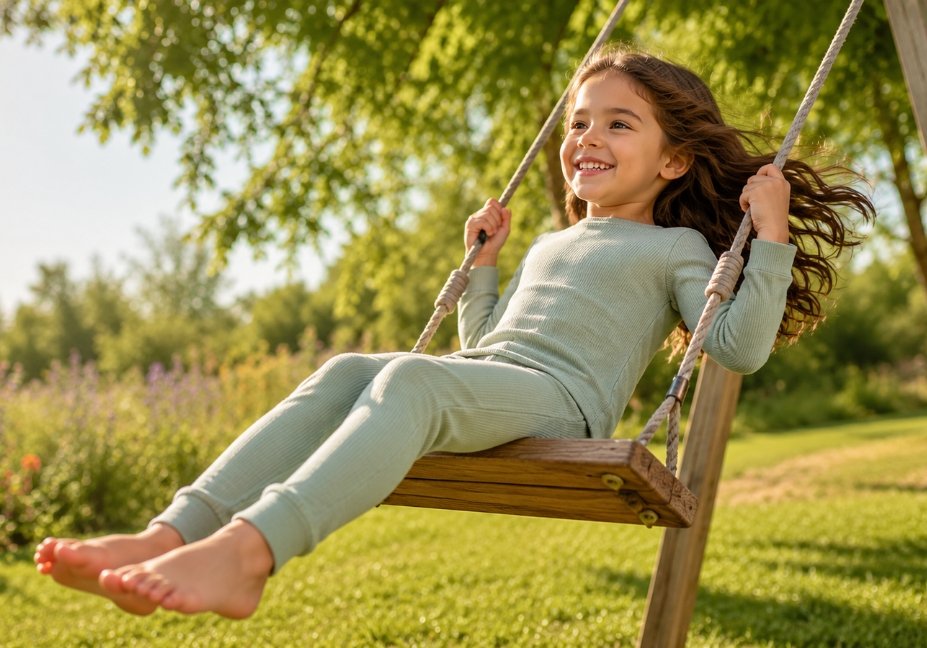
- Swinging (platform or traditional swing)
- Animal walks (bear crawl, crab walk)
- Pushing or pulling a loaded wagon
- Obstacle courses with crawling and climbing
- Yoga or stretching with simple poses
- Bouncing on a therapy ball
Focus & Repetition-Based Activities
- Sorting and categorizing games (colors, shapes, objects)
- Building with blocks or LEGO sets
- Repetitive pattern crafts (stringing beads, lacing cards)
- Water play with cups and pouring
- Matching and memory card games
- Simple cooking or baking with repeated steps
- Nature walks focused on collecting specific items (leaves, rocks)
Sensory-Friendly Clothing Guide: What Works for Each Activity Type
Comfortable clothing helps kids fully engage without sensory distractions. Here’s a quick-reference guide by activity type:
| Activity Type | Best Outfit | Key Feature | Avoid |
| Calming/Quiet Play | Soft tagless tee + jersey pants | Tagless label, flat seams | Stiff or scratchy fabric |
| Movement/Trampoline | Stretch leggings + fitted tee | 4-way stretch, no loose fit | Baggy clothes that catch |
| Sensory Bins/Messy Play | Old soft tee + elastic pants | Easy-wash, soft cotton | New or ‘precious’ outfits |
| Outdoor Walks | Layered soft cotton + soft socks | Seamless socks, soft layers | Rough wool or stiff denim |
| Focus/Table Activities | Comfortable loungewear | Loose but not restrictive fit | Tight waistbands |
| Water Play | Quick-dry soft fabric | Breathable, non-clingy | Heavy, water-absorbing fabric |
Best Fabrics & Features for Sensory-Friendly Clothing 🧵
For many kids with autism, clothing comfort isn’t a small detail — it can be the difference between a calm, engaged day and significant distress. A few thoughtful clothing choices can make daily life noticeably easier.
Here’s what to prioritize when shopping for sensory-friendly pieces:
- Tagless Labels — Printed labels instead of sewn-in tags eliminate one of the most common sources of irritation for sensory-sensitive kids.
- Flat or Reverse Seams — Reduces friction and pressure points, especially in high-contact areas like underarms and waistbands.
- Soft, Breathable Cotton — Natural fibers tend to be gentler against the skin than synthetic blends. Look for OEKO-TEX certified cotton for an extra layer of skin-safety assurance.
- Seamless Socks — A small but meaningful upgrade for kids sensitive to texture at the toes and heel.
- Elastic, Tagless Waistbands — Removes the need for buttons, zippers, or tight waist closures that can be uncomfortable or hard to manage independently.
According to sensory processing resources for families from Autism Speaks, sensory sensitivities to clothing textures, tags, and seams are common among children with autism, and addressing these details proactively can meaningfully reduce daily stress for both kids and parents.
| ✅ Pro Styling TipWhen introducing any new clothing item, do a short ‘wear test’ at home for 20–30 minutes during a low-stakes activity before relying on it for a full outing or school day. This gives your child a chance to adjust to the fabric and fit without pressure, and gives you a clear sense of whether it’ll work for longer wear. |
Building a Sensory-Friendly Wardrobe on a Budget
Understanding how sensory processing differences affect daily activities can help parents see clothing choices not as a minor preference, but as a meaningful tool for supporting comfort and participation throughout the day.
You don’t need an entirely specialized wardrobe — a handful of thoughtfully chosen pieces can make a real difference. Here’s your sensory-friendly wardrobe essentials checklist:
- 3–4 tagless tees in soft cotton
- 2 pairs of elastic-waist pants with flat seams
- 1 soft, weighted-feel hoodie or vest for calming pressure
- 4–5 pairs of seamless socks
- 1 set of soft, non-restrictive sleepwear
- Comfortable, easy-closure shoes (velcro or slip-on)
Many of these basics work across multiple activities and outfits, so building a sensory-friendly wardrobe doesn’t have to mean replacing everything at once — start with the items your child uses daily.
Activities for Kids With Autism
Ready to start? Shop our soft, tagless kids clothing collection for comfortable, sensory-conscious basics designed with sensitive skin in mind.
Tips for Introducing New Activities Successfully
Trying something new can be easier with a little extra preparation. These tips can help any activity go more smoothly:
- Start small — try a new activity for just 5–10 minutes before expecting longer engagement
- Use visual schedules or simple step-by-step picture guides when introducing a new routine
- Offer choices when possible — letting your child pick between two activities builds a sense of control
- Keep a consistent ‘comfort outfit’ on hand for activities that involve new textures or environments
- Follow your child’s lead — if an activity isn’t landing well, it’s okay to pause and try again another day
Every child progresses at their own pace, and there’s no need to rush. The goal is simply to offer a range of engaging, comfortable options and let your child guide which ones resonate.
Creating a Sensory-Friendly Play Space at Home
A few small adjustments to your home environment can make activities more accessible and enjoyable:
- Designate a quiet corner with soft lighting and minimal clutter for calming activities
- Keep a small bin of preferred sensory tools (fidgets, soft fabrics, noise-canceling headphones) easily accessible
- Use noise-reducing rugs or curtains in active play areas to soften sound
- Store activity materials in clear, labeled bins so kids can see and choose independently
- Keep a rotating selection of activities available rather than everything out at once, to reduce visual overwhelm
A predictable, comfortable space often makes it easier for kids to transition into and out of activities with less resistance.
What Parents Are Saying 💬
Parents of kids with autism often share hard-won, practical tips that make a real difference:
“Switching to tagless shirts was such a small change, but it cut down on so many meltdowns before we even left the house.” — Parent community, sensory clothing forum
“My son does best with the same 10-minute swing session every single day after school. It’s become our reset button.” — Real parent tip
“We keep a ‘comfort outfit’ in the car for any unexpected outing. It’s saved more than a few rough afternoons.” — Shared parenting hack
For additional guidance, supporting children with developmental differences from HealthyChildren.org offers further pediatric-reviewed resources for families navigating autism-related questions.
FAQ — Activities for Kids With Autism: People Also Ask
What are good activities for kids with autism?
Good activities depend on each child’s sensory preferences. Calming options include sensory bins and quiet puzzle time; movement-based options include swinging, trampoline jumping, and animal walks; and focus-based options include sorting games, building blocks, and repetitive crafts. The best approach is offering a variety and following your child’s interest and comfort level.
What clothing is best for kids with sensory sensitivities?
Tagless clothing with flat or reverse seams, soft breathable cotton, and elastic waistbands tend to work best for sensory-sensitive kids. Seamless socks are also a popular upgrade. The goal is minimizing texture irritation, tight pressure points, and any small details (like tags or stiff seams) that can cause discomfort during the day.
What are calming activities for kids with autism?
Calming activities often include quiet sensory bins, weighted blanket time, slow puzzle building, gentle swinging or rocking, and low-stimulation coloring or drawing. These activities tend to provide soothing, predictable input without overwhelming sound or visual stimulation, making them helpful for winding down or managing overwhelm.
How can I make playtime more comfortable for a child with autism?
Start by ensuring your child is in clothing they’re already comfortable in before introducing a new activity — this removes one variable of potential discomfort. Creating a predictable, low-clutter play space and offering choices between activities can also help kids feel more at ease and engaged during playtime.
Are tagless clothes really better for sensory-sensitive kids?
Many parents and sensory specialists report that tagless clothing meaningfully reduces irritation and meltdowns for sensory-sensitive children, since sewn-in tags are a common source of discomfort. While every child is different, tagless clothing with flat seams is widely recommended as a simple, low-cost first step for sensory comfort.
Every Child’s Path to Play Looks Different
There’s no single right way to engage a child with autism in play — the best activities are the ones that match your child’s individual sensory preferences and bring them genuine enjoyment, whether that’s quiet focused time, energetic movement, or repetitive, predictable play.
Comfortable clothing is a small but meaningful piece of that puzzle, helping remove one more barrier between your child and fully engaging in the activities they love.
Explore more activity guides for parents, check out our kids clothing buying guides for more comfort-focused shopping tips, and shop our soft, tagless kids clothing collection to build a wardrobe that supports your child’s comfort every day.
| Content DisclaimerThis article is for general informational and parenting inspiration purposes only and is not a substitute for professional medical, therapeutic, or educational advice. Every child with autism has individual needs and preferences. Please consult your child’s pediatrician, occupational therapist, or other qualified professional for guidance specific to your child. |