
Heavy work activities for kids aren’t just for children with sensory processing differences — every child benefits from this kind of input, especially during transitions, before homework, or after a long day at school.
This guide covers 20 of the best heavy work activities for kids, broken down by age, plus practical advice on what to dress them in so they can move, push, and play without restriction.
What Are Heavy Work Activities — And Why Do Kids Need Them?
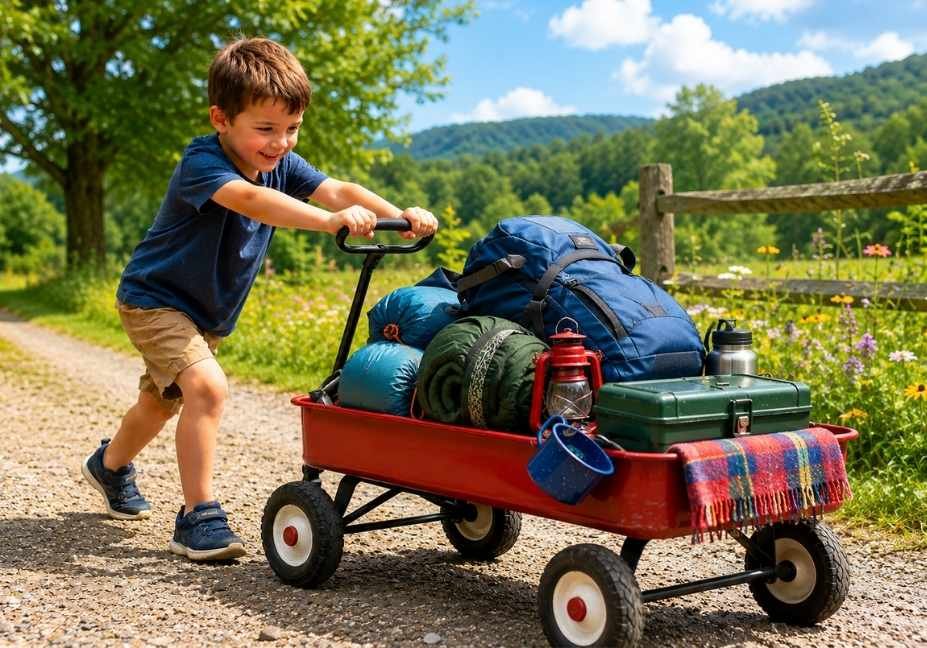
‘Heavy work’ refers to any activity that pushes, pulls, lifts, or carries against resistance — think pushing a loaded cart, climbing, or carrying grocery bags. These activities stimulate the muscles and joints, sending calming signals to the nervous system.
This calming effect comes from how proprioceptive input affects body awareness — the body’s internal sense of where it is in space. Activating this system through resistance-based movement helps regulate energy levels, improve focus, and ease anxiety in children of all temperaments.
Heavy work is especially useful before activities that require sitting still and concentrating, like homework or car rides. Many parents use a quick 10-minute heavy work session as a reset button for the whole day.
| 💪 Mom Hack Keep a ‘heavy work basket’ by the door with a few household items – a small backpack with books, a laundry basket, and resistance bands. Grab it anytime your child needs a quick sensory reset before transitions like leaving for school or settling down for dinner. |
20 Best Heavy Work Activities for Kids (By Age Group)
Heavy work looks different at every age. Here’s the full breakdown:
Toddlers (Ages 0–4)
- Pushing a toy shopping cart or wagon
- Carrying a small basket of soft toys
- Animal walks (bear crawl, crab walk, frog jumps)
- Squishing and rolling with a therapy ball
- Stacking and carrying soft blocks
Kids (Ages 5–10)
- Carrying grocery bags or laundry baskets
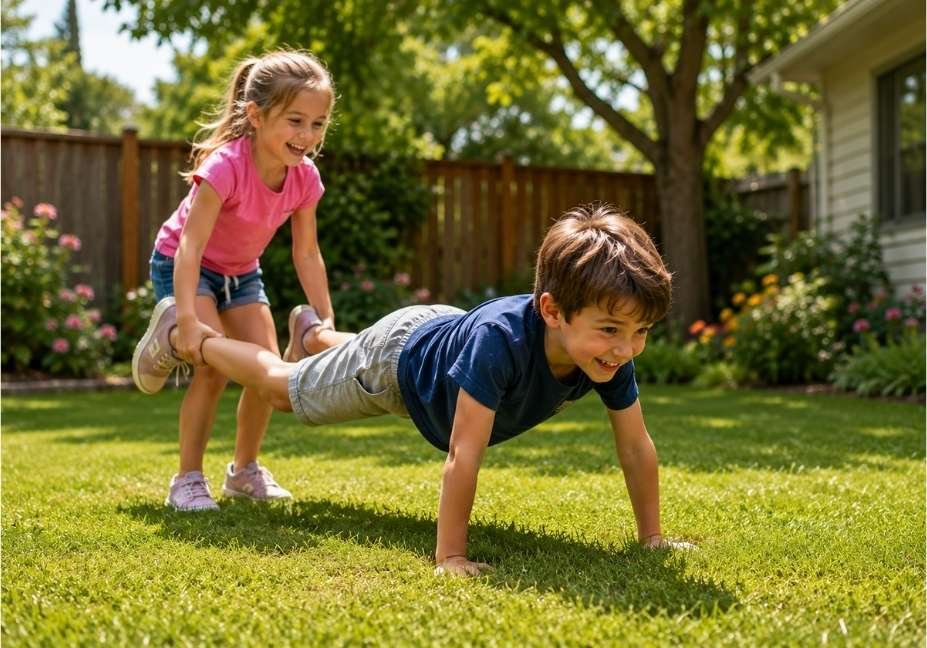
- Wheelbarrow walks with a parent
- Jumping on a trampoline
- Climbing playground equipment
- Tug-of-war with a rope or towel
- Digging in the garden or sandbox
- Pushing a loaded wagon or scooter
Tweens (Ages 11–14)
- Resistance band exercises
- Carrying or stacking firewood
- Rock climbing or bouldering
- Yoga poses with weight-bearing holds (plank, downward dog)
- Helping move furniture or boxes
- Backpack hiking with lightweight gear
- Sports involving pushing/pulling (wrestling, football drills)
Heavy Work Activity Outfit Guide: What to Wear for Each Activity
Heavy work activities are physical and often messy — durable, flexible clothing matters as much as the activity itself. Use this quick-reference table:
| Activity | Best Outfit | Key Fabric | Footwear |
| Pushing/Pulling Wagons | Stretch joggers + fitted tee | Cotton-spandex blend | Sneakers with grip |
| Climbing/Playground | Reinforced-knee pants + tee | Ripstop cotton blend | Closed-toe sneakers |
| Animal Walks/Crawling | Stretchy leggings + soft tee | Jersey knit stretch | Bare feet or sneakers |
| Carrying/Lifting | Athletic shorts + fitted tee | Breathable mesh blend | Supportive sneakers |
| Gardening/Digging | Old tee + elastic-waist pants | Durable cotton | Closed-toe shoes/boots |
| Trampoline Jumping | Fitted leggings + tee | Stretch jersey | Grip socks or bare feet |
| Resistance Bands/Yoga | Athletic leggings + tank | Moisture-wicking spandex | Bare feet or sneakers |
| Backpack Hiking | Moisture-wicking tee + cargo pants | Quick-dry blend | Trail sneakers/boots |
Best Fabrics for Heavy Workplay Clothes 🧵
Heavy work means constant movement — squatting, crawling, climbing, and stretching. The right fabric needs to move with your child without restricting or tearing.
Here’s what to look for when building a heavy-work-ready wardrobe:
- Cotton-Spandex Blends — Stretchy and breathable, ideal for crawling, climbing, and animal walks. Moves with the body without binding.
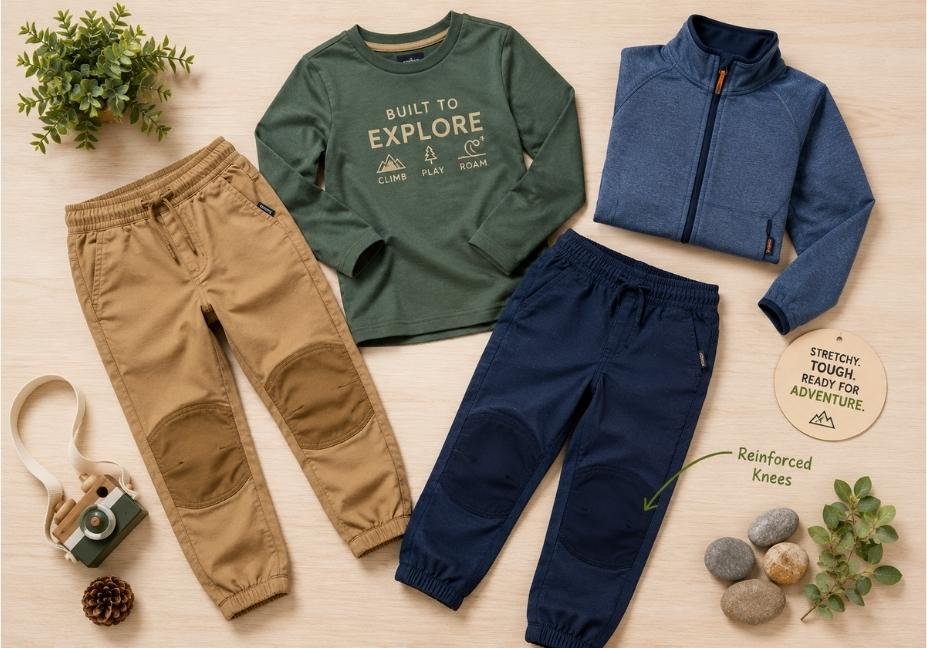
- Ripstop Cotton — An extra-durable weave that resists tearing during rough play, climbing, or sandbox digging. Great for reinforced-knee pants.
- Jersey Knit — Soft, flexible, and forgiving for repetitive bending and stretching during resistance activities.
- Moisture-Wicking Spandex Blends — Best for higher-intensity heavy work like resistance bands, yoga holds, or backpack hiking with tweens.
Paediatric guidance on sensory play and child development notes that unrestricted movement is essential for children to fully engage in physical, sensory-based activities — which is exactly why flexible, non-restrictive clothing matters so much for heavy work.
| ✅ Pro Styling Tip Choose play clothes with a 4-way stretch fabric whenever possible. Unlike basic stretch (which only gives in one direction), 4-way stretch moves with your child through crawling, climbing, squatting, and reaching – exactly the range of motion heavy-work activities require. |
How to Build a Heavy-Work-Ready Wardrobe on a Budget
Physical activities that build strength and coordination are a key part of physical development milestones for children, and heavy work play is one of the most accessible ways to support that development at home. You don’t need special equipment or an expensive wardrobe — just a few durable, versatile pieces.
Here’s your heavy-work wardrobe essentials checklist:
- 3–4 stretch leggings or joggers (4-way stretch preferred)
- 2–3 reinforced-knee pants for climbing and crawling
- 4–5 breathable fitted tees (avoid loose, baggy styles that catch on equipment)
- 1–2 pairs of athletic shorts for warmer-weather heavy work
- 1 pair of grippy sneakers for climbing and jumping activities
- 1 ‘old clothes’ set dedicated to messy outdoor heavy work (digging, gardening)
Durable, well-fitted basics go further than trendy pieces here — the goal is a full range of motion and easy washing after a day of digging, climbing, and crawling.
Ready to stock up? Shop our durable kids’ play clothing collection for stretchy, reinforced pieces built to handle active, heavy work play.
Age-by-Age Heavy Work Guide: Toddlers, Kids & Tweens
Toddlers (0–4 years)
Keep it simple and soft. Stretchy leggings or joggers with an elastic waist let toddlers crawl, climb, and walk like animals freely. Avoid stiff jeans or anything with restrictive waistbands. Soft, snag-free fabric is key since toddlers are still building coordination and fall often during heavy work play.
Kids (Ages 5–10)
This age group is rough on clothes during heavy work — reinforced knees and durable seams matter. Look for ripstop fabric blends that hold up to playground climbing, waggon pulling, and tug-of-war. Fitted (not baggy) tees prevent snagging on equipment during active play.
Tweens (Ages 11–14)
Tweens engaging in resistance band work, hiking, or sports-based heavy work benefit from athletic, performance-style clothing — moisture-wicking leggings, fitted tanks, and supportive sneakers. Style still matters at this age, so look for athletic basics in colours and cuts they’ll actually want to wear.
| 💡 Mom Hack: Buy heavy-work play clothes one size down from regular everyday wear if your child prefers a closer fit for movement — many kids find snugger leggings and fitted tees give them better body awareness during heavy work activities, which can actually enhance the calming effect. |
When and How Often Should Kids Do Heavy Work?
Heavy work can be worked into daily routines without needing a special schedule. Common times to incorporate it include:
- Before homework or quiet focus time — helps kids settle and concentrate
- After school — releases pent-up energy from sitting all day
- Before bedtime – calming, heavy work (not high-energy jumping) can ease the transition to sleep
- During meltdowns or overwhelm – short bursts of pushing or carrying can help kids regulate big emotions
- As part of regular outdoor play – gardening, climbing, and wagon-pulling all count naturally
There’s no strict ‘dose’ – most kids benefit from short, frequent heavy work sessions (5–15 minutes) throughout the day rather than one long session. Pay attention to your child’s cues; if they’re seeking out pushing, carrying, or crashing behaviours, that’s often a sign their body is asking for heavy work.
What Parents Are Saying About Heavy Work 💬
Parents who’ve discovered heavy work activities often describe it as a game-changer for daily routines:
“We do 10 minutes of wheelbarrow walks before homework every day. It’s like flipping a switch — she focuses so much better afterward.” — US parenting community
“My son carries the laundry basket up and down the stairs every evening. He thinks he’s helping. I know it’s keeping him calm before bed.” — Real parent tip
“Tug-of-war with a towel is our go-to when meltdowns start. Five minutes and he’s a completely different kid.” — Shared parenting hack
For more sensory and developmental activity ideas, sensory activity ideas from parenting experts at Parents.com offer a trusted, community-tested resource for US families looking to support their child’s regulation and development.
FAQ — Heavy Work Activities for Kids: People Also Ask
What are heavy work activities for kids?
Heavy work activities involve pushing, pulling, lifting, or carrying against resistance – like pushing a waggon, carrying groceries, climbing, or doing wheelbarrow walks. These activities provide deep pressure input to muscles and joints, which has a naturally calming and regulating effect on the nervous system.
Why are heavy work activities calming for children?
Heavy work stimulates the proprioceptive system — the body’s sense of position and movement — which sends calming signals to the brain. This is why pushing, pulling, and carrying activities help kids settle down, refocus, and manage big emotions more effectively than passive activities like screen time.
What clothes are best for active, heavy work and play?
Stretchy, flexible clothing with 4-way stretch fabric works best, since heavy work involves crawling, climbing, and squatting through a full range of motion. Reinforced-knee pants, fitted (not baggy) tees, and durable cotton-spandex blends hold up well and allow unrestricted movement.
How often should kids do heavy work activities?
There’s no strict schedule — most kids benefit from short, frequent sessions of 5 to 15 minutes throughout the day, especially before focus-heavy tasks like homework, after school to release energy, or during moments of overwhelm. Following your child’s natural cues for pushing, carrying, or crashing behaviours is a good guide.
Are heavy work activities good for all kids or just sensory-sensitive kids?
Heavy work benefits all children, not just those with sensory processing differences. Every child’s nervous system responds positively to proprioceptive input, making these activities a great regulation tool for any family looking to help kids focus, calm down, or manage transitions throughout the day.
Give Their Bodies What They’re Asking For
Heavy work activities for kids are simple, free, and remarkably effective — a little pushing, pulling, or carrying can do more for focus and calm than almost anything else in your parenting toolkit.
The right wardrobe makes all the difference too: flexible, durable, reinforced clothing means your child can fully engage in heavy work without holding back or worrying about ruining their clothes.
Explore more activity and style guides for parents, check out our kids’ clothing buying guides for more durability tips, and shop our durable kids’ play clothing collection to gear your child up for whatever heavy work the day calls for.
| Content Disclaimer: This article is for informational and parenting inspiration purposes only and is not a substitute for professional occupational therapy advice. If you have concerns about your child’s sensory processing or development, consult a paediatrician or licensed occupational therapist. Always supervise children during physical activities. |