
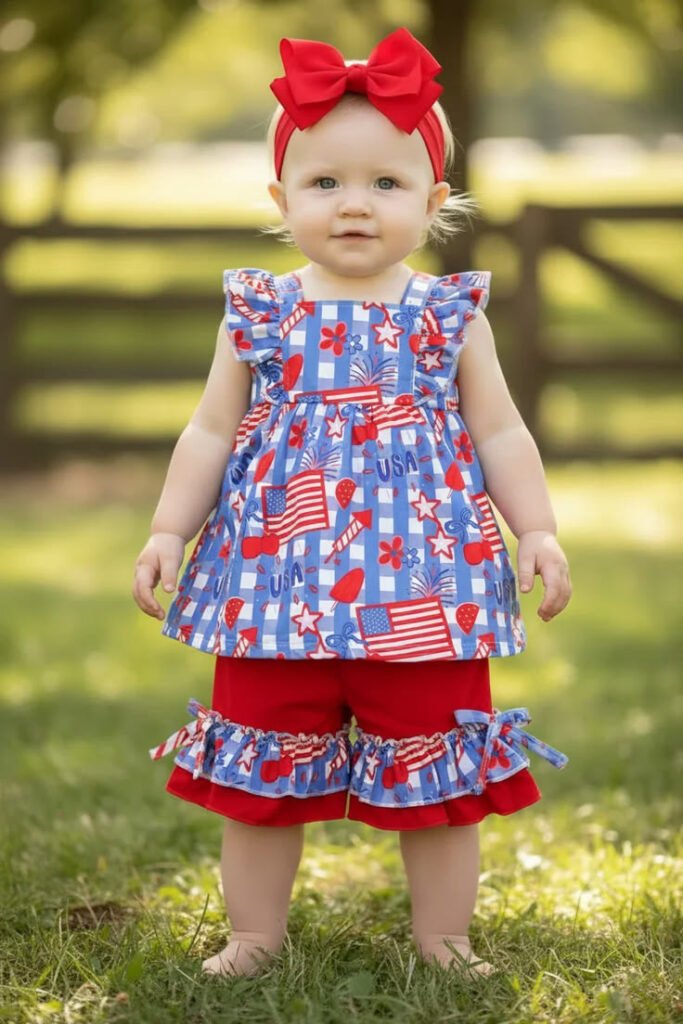
Every morning in our house used to feel like a small battle. My daughter, Ayesha, would wake up excited for school… and then immediately complain that her outfit was “scratchy,” “too tight,” or “not fun enough.” Breakfast was fine, homework completed, but getting dressed became a daily struggle. Comfortable toddler clothes for everyday are a key to the comfort of a kid.
I realized that helping a child feel confident and comfortable at school isn’t just about cute clothes — it’s about listening, offering choices, prioritizing comfort, and supporting independence.
Over time, we developed strategies that helped Ayesha feel proud of her outfit, calm in the mornings, and confident throughout her day. Here’s our guide — practical, parent-tested, and ready to help your toddler too.
1. Listen to Your Child’s Concerns
Before any outfit is chosen, I make it a point to understand Ayesha’s complaints. Sometimes it’s the fabric (like itchy wool), sometimes it’s the style (she doesn’t like stripes), and sometimes it’s simply her mood that morning.
Example: One day, she refused to wear a new sweater. Instead of insisting, I asked her why. She pointed to the tag — it was irritating her neck. Swapping it for a soft, tag-free cotton cardigan immediately solved the problem, and she wore it all day without fuss.
Tip: Ask questions gently:
“Does this feel itchy?”
“Would you like the blue or pink one today?”
“Do you want to wear socks or go barefoot in your shoes?”
Even small adjustments prevent arguments and set a positive tone for the day.
Reference: The Whole-Brain Child by Siegel & Bryson emphasizes that children’s comfort and emotional regulation are deeply connected — exactly what I noticed in my mornings with Ayesha.
2. Give Choices, Not Orders
Toddlers crave independence, and giving them choices builds confidence and decision-making skills.
Instead of saying, “Put on this shirt!”, I lay out 2–3 school-appropriate options and let Ayesha choose.
Benefits we noticed:
Fewer tantrums
Greater independence
Boosted confidence
Easier mornings for everyone
Even simple decisions, like picking between pink or blue socks, make a difference. On days Ayesha chose her outfit, she walked to school proudly, not reluctantly.
Tip: Limit options to 2–3 choices. Too many can overwhelm toddlers and defeat the purpose of giving autonomy.
3. Prioritize Comfort Above Style
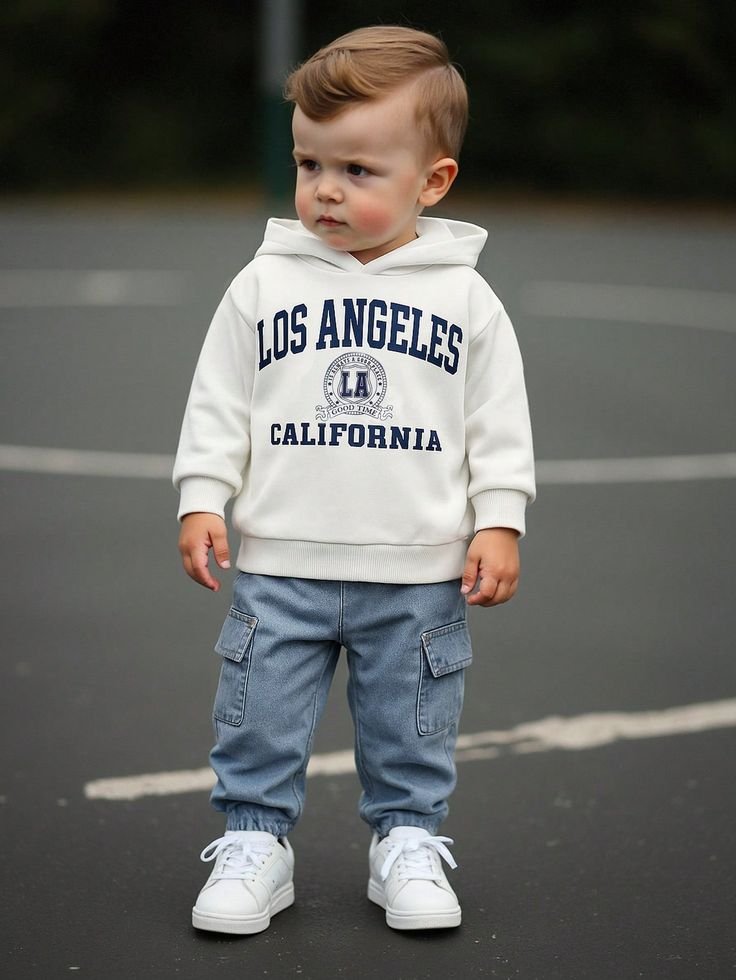
Comfort is key. Soft fabrics, proper fit, and freedom of movement make a huge difference.
What we focus on:
Cotton, bamboo, or other soft fabrics to prevent irritation
Stretchable waistbands for freedom of movement
Layering for weather changes
Example: Ayesha once wore a brand-new pair of jeans that were too tight. By the second day, she complained constantly and refused to move freely. Switching to soft leggings improved her mood and her playtime enjoyment.
We also test clothes at home — running, jumping, and playing for 10 minutes — before confirming the outfit for school.
4. Plan for Weather and Activities
Toddlers are active, so clothes must be practical for both play and weather conditions.
Weather/Activity
Recommended Clothing
Tips
Hot sunny days
Lightweight cotton shirts & shorts, sun hats
Breathable fabrics, open shoes
Cold days
Sweaters, layered jackets, gloves
Test mobility with layers
Rainy days
Waterproof shoes, hooded jackets
Keep spare shoes ready
Active play
Stretchable pants, sneakers
Avoid restrictive clothes
Special occasions
Soft dress or outfit
Comfortable fit with fun colors
Example: On a rainy day, Ayesha insisted on wearing her favorite sneakers. I had a backup waterproof pair ready, which saved a tantrum and kept her happy.
5. Confidence Through Clothing Choices
Clothing directly impacts self-esteem. Ayesha felt proud when she could choose her clothes and move freely.
Parenting Tips:
Praise choices: “I love your outfit today!”
Avoid criticism: “That color won’t match!”
Encourage playful expression: colors, patterns, and accessories
Confidence in clothing often translated to classroom participation, social interaction, and willingness to try new activities.
6. Watch for Skin Sensitivity
Children with sensitive skin require extra attention.
What worked for us:
Tag-free shirts
Soft, breathable fabrics
Washing new clothes before first wear
Dedicated drawer for sensitive-skin clothes
These small changes reduced complaints and made mornings calmer.
You Also like
7. Shoes, Accessories, and Practical Details
Toddlers need more than just clothes. Shoes, socks, and accessories can make or break comfort.
Item
Tips
Example
Shoes
Lightweight, flexible soles
Sneakers for play, sandals for hot days
Socks
Soft, breathable, seamless
Avoid irritation on toes or heels
Hats
Sun hats, beanies
Protect from sun or cold
Accessories
Minimal jewelry
Prevent choking hazards or irritation
Tip: Keep a spare pair of shoes and socks handy — toddlers can spill water or mud unexpectedly.
8. Quick Morning Routine
We follow a 2-minute morning routine to save time and reduce stress:
Lay out 2–3 options the night before
Let the toddler pick one
Quick comfort check (sit, stretch, jump)
Compliment the choice
Consistency creates independence and confidence. After a week, Ayesha dressed herself in under 10 minutes every day.
9. Long-Term Strategies
Rotate seasonal clothes
Maintain versatile basics
Let children help organize laundry
Check for worn or uncomfortable items
These habits teach responsibility and independence while keeping mornings stress-free.
10. Everyday Clothing Checklist for Parents
Category
What to Include
Why
Tops
Cotton T-shirts, light sweaters
Breathable & comfortable
Bottoms
Stretchable pants, leggings
Easy movement for play
Outerwear
Jackets, hoodies
Layering for weather
Shoes
Sneakers, lightweight shoes
Safe & comfortable
Accessories
Hats, gloves (seasonal)
Protection & warmth
Extras
Spare socks, shorts/pants
Emergency replacements
11. Natural Backlink to American Kids Store
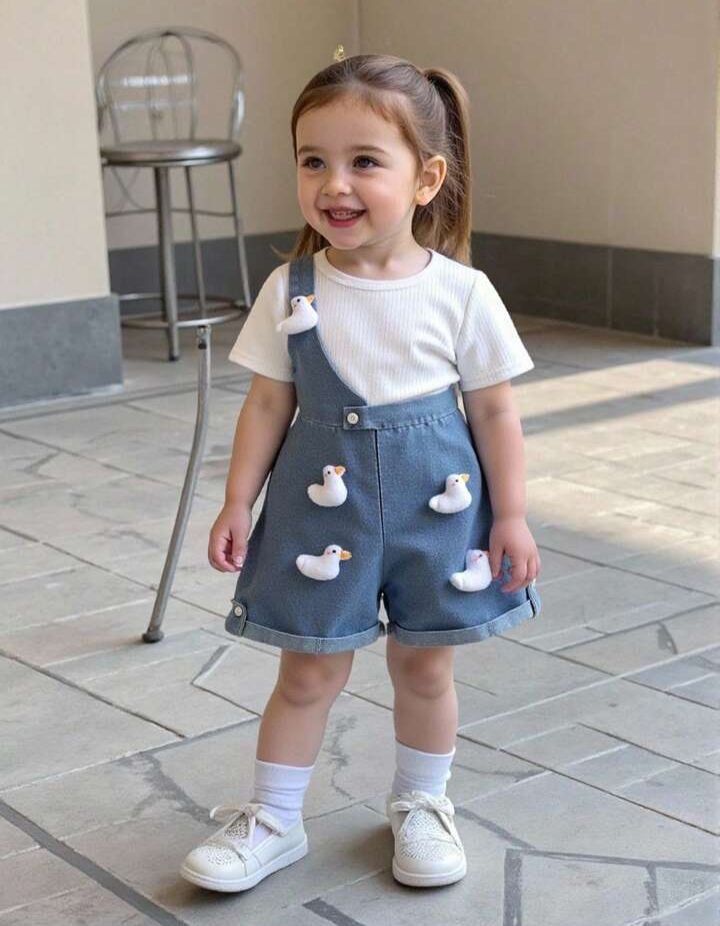
We found these comfortable toddler clothes in our latest post, Comfortable Toddler Clothes for Everyday Wear in the USA 2026 — perfect for school, play, and everyday wear.
12. 2-Minute Reflection/Action Plan
Tonight, lay out 2–3 outfit options for your toddler.
Ask your child which they prefer.
Observe: Did giving choice improve mood, cooperation, or confidence?
13. Long-Term Action Plan (Next Week)
Rotate wardrobe based on comfort and season
Encourage your child to help organize laundry or drawers
Observe changes in morning independence, confidence, and cooperation
14. Conclusion
Helping toddlers feel confident and comfortable is more than cute clothes — it’s about listening, offering choices, prioritizing comfort, and supporting independence.
Mornings are calmer, toddlers feel proud and happy, and parents are less stressed. Thoughtful choices in clothing can make a big difference in confidence, mood, and daily performance.
15. How Clothing Affects a Toddler’s Mood Throughout the Day
One thing I never fully understood as a parent was how deeply clothes can affect a child’s mood and behavior.
At first, I thought Ayesha was just being stubborn in the mornings.
But after observing her carefully for a few weeks, I noticed something surprising.
On the days she wore soft, comfortable clothes, she was calmer, happier, and more social.
On the days something felt uncomfortable — tight jeans, itchy socks, or rough fabric — she became irritated much faster.
She would complain more.
She became less patient.
Sometimes even small things at school affected her more.
That’s when I realized clothing doesn’t just affect comfort.
It affects emotional regulation.
Toddlers are still learning how to express discomfort.
Instead of saying:
“This waistband is restricting my movement.”
They say:
“I don’t want to wear this!”
or
“I hate this dress!”
This taught me to take those reactions seriously.
Sometimes what looks like “tantrum behavior” is actually physical discomfort.
As parents, when we solve that root cause, the entire day improves.
16. Building Independence Through Clothing Choices
Another unexpected benefit I noticed was how clothing choices helped Ayesha become more independent.
At first, I only gave her small choices.
For example:
pink shirt or yellow shirt
sneakers or sandals
hoodie or cardigan
But after a few weeks, she started doing more on her own.
She began:
opening drawers herself
selecting socks
matching colors
folding clothes
placing laundry in the basket
This may seem like a small thing.
But for toddlers, these habits build:
decision-making
confidence
responsibility
independence
It also reduced my workload.
Now mornings became teamwork instead of struggle.
This is one of the biggest parenting wins I experienced.
17. Best Fabrics for Toddlers (USA Parent Guide 2026)
Fabric matters a lot.
Here’s a practical table you can include:
Fabric Type
Comfort Level
Best For
Cotton
Excellent
Daily wear
Bamboo
Excellent
Sensitive skin
Fleece
Very good
Winter
Denim
Medium
Outdoor wear
Polyester blends
Medium
Activewear
Wool
Low for sensitive kids
Extreme cold
For everyday wear, I personally found cotton and bamboo to be the best.
Especially for school.
They are:
breathable
soft
lightweight
easy to wash
This makes them ideal for toddlers.
18. School Clothing vs Home Clothing
One mistake I made earlier was using the same outfits for everything.
Later I realized toddlers need different clothing for different environments.
For School
easy movement
easy bathroom use
weather appropriate
durable for play
For Home
relaxed clothes
softer pajamas
loose-fit shirts
play clothes
This small separation helped Ayesha mentally prepare for school.
Comfortable Toddler Clothes for everyday
Changing clothes became part of the routine.
It helped her shift from “home mood” to “school mode.”
That transition surprisingly improved her school readiness.
19. The Laundry System That Saved My Mornings
This may sound simple, but organizing laundry changed everything.
I started creating categories:
- school outfits
- play clothes
- bedtime clothes
- weather clothes
Now every morning I already knew where everything was.
- No last-minute searching.
- No missing hoodie.
- This saved time and stress.
I highly recommend every parent create a simple weekly wardrobe system.
20. Weekly Outfit Planning Table
This table adds excellent professional value.
Day
Outfit Type
Weather
Monday
Cotton shirt + leggings
Mild
Tuesday
Hoodie + pants
Cool
Wednesday
Dress + tights
Mild
Thursday
Cotton set
Warm
Friday
Jacket + jeans
Cold
This type of table looks extremely professional on parenting blogs.
21. Helping Toddlers Develop Personal Style
One beautiful thing I noticed was how early children start developing preferences.
Ayesha loves:
- pink
- soft blue
- cartoon prints
- flowers
Instead of controlling everything, I started encouraging her style.
- This boosted her confidence.
- It made her feel heard.
- It made mornings smoother.
Children feel proud when their personality is respected.
How to Help Kids Develop a Healthy Lifestyle at Home
22. Why Comfortable Clothes Improve School Confidence
When a child feels physically comfortable, they participate better.
I saw Ayesha:
- speak more confidently
- interact more with classmates
- play more freely
- smile more in school photos
- Comfort supports confidence.
- Confidence supports learning.
This connection is powerful.
23. Helpful Resource for Parents
For parents looking for practical outfit ideas, I recently shared more outfit suggestions here:
comfortable toddler clothes for everyday wear