
Winter doesn’t have to mean cabin fever. With the right plan – and the right outfits – it can be one of the most magical, memory-making seasons for families. 20 best winter activities for kids are discussed in this article. Whether your little one is ready to build their first snowman or your tween is begging to hit the sledding hill, winter activities for kids bring out the best of the season.
The challenge most parents face? Figuring out how to dress kids so they’re warm, comfortable, and willing to stay outside longer than five minutes. Too many layers and they overheat. Too few and it’s a tearful trip back inside before the fun even starts.
This guide covers 20 of the best winter activities for kids — indoors and outdoors — plus practical advice on what to wear for each one. From toddlers to tweens, we’ve got the cold-weather dressing formula that works.
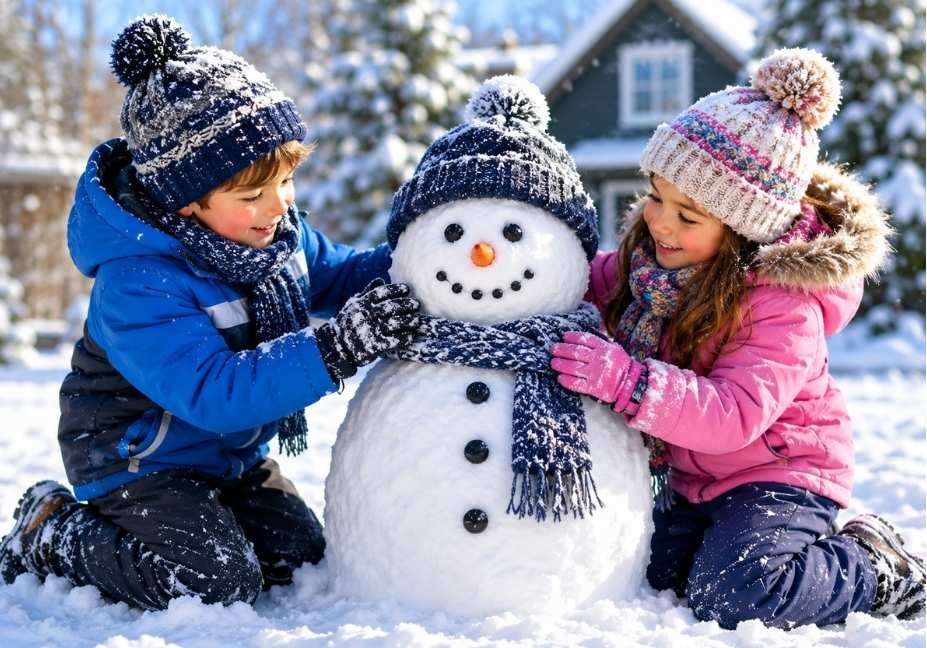
Why Winter Play Is Important for Kids
It’s tempting to hibernate through winter, but paediatric health experts encourage year-round outdoor play for children when weather allows. Cold-weather outdoor time supports vitamin D production, improves mood and sleep, and keeps kids physically active during the months when screen time tends to creep up.
According to keeping children safe in cold weather guidelines from HealthyChildren.org, most healthy children can enjoy outdoor time comfortably down to about 20°F (–6°C) as long as they are dressed in proper insulating layers. The key is preparation — not avoidance.
20 Best Winter Activities for Kids
Fresh air and physical movement in winter can also reduce anxiety and boost immune function in children, even in short bursts. With the right winter wardrobe, outdoor play becomes something kids beg for rather than resist.
| ❄️ Mom Hack: Set a “warm-up rule” with your kids: for every 45 minutes outside, come in for 15 minutes of hot cocoa and warm-up time. It makes outdoor winter play feel like an adventure rather than a chore and keeps everyone safe. |
20 Best Winter Activities for Kids (By Age Group)
Not every activity suits every age — and neither does every outfit. Here’s the full breakdown:
Toddlers (Ages 0–4)
- Building a snowman or snow sculptures
- Making snow angels
- Indoor sensory play (kinetic sand, water beads, play dough)
- Winter-themed arts and crafts (paper snowflakes, handprint art)
- Bubble play in cold air (bubbles freeze — magical for toddlers!)
Kids (Ages 5–10)
- Sledding and tubing
- Backyard snowball fights
- Ice skating (indoor or outdoor rink)
- Winter nature scavenger hunts
- Bird watching and feeding wild birds
- Building a snow fort
- Baking and holiday cooking projects
Tweens (Ages 11–14)
- Skiing and snowboarding
- Snowshoeing and winter hiking
- Indoor climbing gyms
- Science experiments (grow ice crystals, make a blizzard in a jar)
- Winter photography walks
- DIY board game tournaments
- Community volunteering (holiday food drives, shelter support)
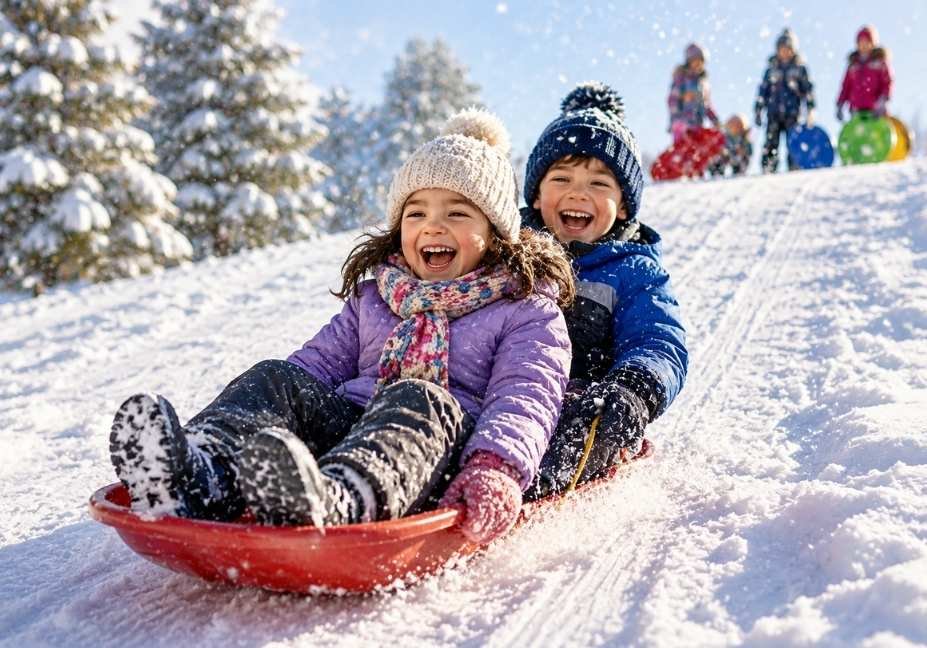
Winter Activity Outfit Guide: What to Wear for Each Activity
Dressing kids right for each winter activity keeps them warm, safe, and ready to stay outside longer. Use this quick-reference table:
| Activity | Best Outfit | Key Layer | Footwear |
| Sledding | Snow suit or insulated jacket + snow pants | Thermal base layer | Waterproof snow boots |
| Snowball Fight | Insulated jacket + waterproof gloves | Moisture-wicking mid-layer | Waterproof boots |
| Ice Skating | Thermal tee + fleece + warm jacket | Fleece mid-layer | Ice skates + warm socks |
| Winter Hiking | Moisture-wicking tee + fleece + shell | Fleece or down mid-layer | Insulated trail boots |
| Skiing/Snowboarding | Thermal base + ski jacket + snow pants | Merino wool base layer | Ski boots + warm socks |
| Indoor Crafts/Baking | A cosy sweatshirt and joggers | Light layer only | Cozy socks or slippers |
| Nature Walk | Insulated jacket + lined pants | Light thermal base | Waterproof sneakers/boots |
| Backyard Snow Play | Snowsuit + layered jacket + snow pants | Full thermal base layer | Waterproof snow boots |
Best Fabrics for Winter Kids’ Clothes 🧥
Winter layering is a skill — and the right fabrics make all the difference between a kid who loves playing outside and one who begs to go back in after two minutes.
Here’s what every parent needs to know about winter fabrics for kids:
- Merino Wool — Nature’s best insulator. Warm, moisture-wicking, and surprisingly soft — great for base layers even for kids with sensitive skin. Look for OEKO-TEX-certified merino to ensure it’s free of harmful chemicals.
- Fleece — Lightweight, warm, and quick-drying. Perfect for mid layers. A fleece hoodie over a thermal tee, under a waterproof shell, is the go-to winter combo.
- Thermal Cotton Blends — Affordable and comfortable for the base layer. Look for a cotton-poly blend with some stretch for easy movement during active play.
- Nylon/Polyester Outer Shell — Windproof and water-resistant. Essential for the outer layer during snow play, sledding, or winter hiking.
- Down Insulation — The warmest option for very cold days. Puffer jackets with down or synthetic down fill are ideal for low-activity outdoor time.
20 Best Winter Activities for Kids
Children lose heat faster than adults, making proper insulation essential for any outdoor winter activity lasting more than 20 minutes. For detailed guidance, the cold weather health tips for kids from the CDC recommend keeping outdoor sessions short for young children and always covering extremities — hands, feet, and ears — where heat loss is greatest.
| ✅ Pro Styling Tip The 3-Layer Winter Rule for Kids: Start with a moisture-wicking base layer (thermal tee + leggings), add a warm mid-layer (fleece hoodie or down vest), and finish with a waterproof outer shell. This system keeps kids warm, dry, and easy to adjust as they heat up from activity. It’s the same layering system used by outdoor educators and sports coaches for kids’ winter gear. |
How to Build a Kids’ Winter Wardrobe on a Budget
Research on the benefits of outdoor play for children in all seasons shows that kids who spend regular time outdoors — even in winter — develop stronger resilience, focus, and physical health. The good news? You don’t need to spend a fortune to make that happen.
A small, smart wardrobe of versatile pieces that work across multiple activities is all you need. Here’s your winter wardrobe essentials checklist:
- 2–3 thermal base layer sets (top + bottoms)
- 2 fleece mid layers (hoodie or zip-up)
- 1 waterproof, insulated outer jacket
- 1 pair of waterproof snow pants
- 2 pairs of warm waterproof gloves or mittens
- 2–3 warm hats (beanies or fleece-lined)
- 1 pair of waterproof snow boots
- 4–5 pairs of warm wool-blend or thermal socks
These pieces mix and match across indoor and outdoor winter activities — the fleece that works for sledding is the same one your kids can wear to a winter birthday party or a cosy movie night.
20 Best Winter Activities for Kids
Ready to refresh the winter wardrobe without overspending? Shop our winter kids’ clothing collection for stylish, affordable picks that hold up through every cold-weather adventure.
For more value-focused advice, browse our kids’ winter clothing buying guides — packed with parent-tested tips on getting the most from every dollar this season.
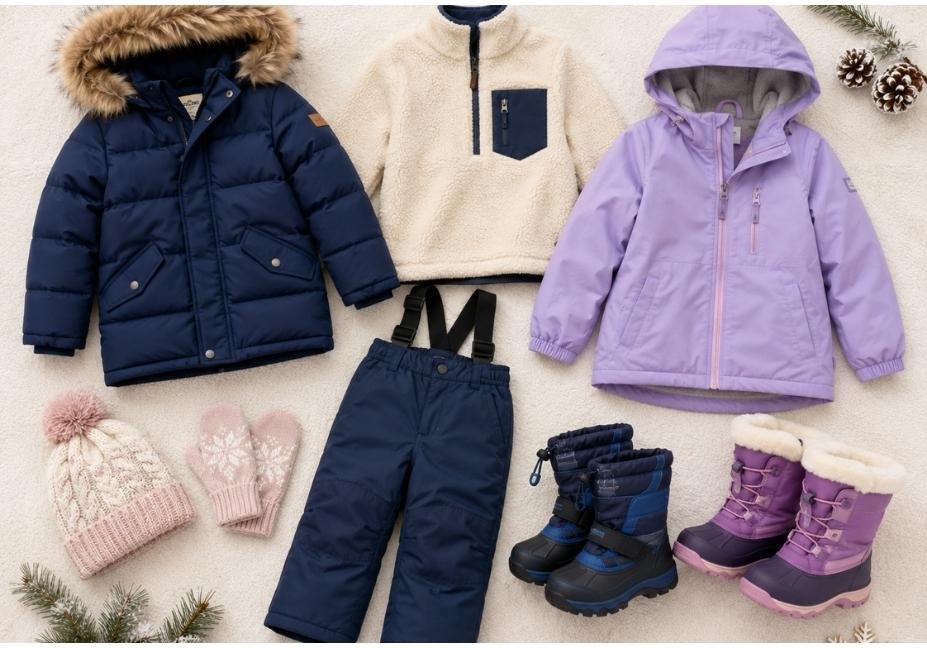
Age-by-Age Winter Style Guide: Toddlers, Kids & Tweens
Toddlers (0–4 years)
Warmth and ease of dressing are everything. One-piece snowsuits are a toddler parent’s best friend — they cover everything, stay tucked in, and are easy to get on and off. Pair with waterproof mittens attached to the sleeve (so they don’t get lost!) and waterproof boots with easy Velcro closures. The Consumer Product Safety Commission (CPSC) advises avoiding drawstrings on hoods and necks for young children’s outerwear — a safety risk during outdoor play.
Kids (Ages 5–10)
This age group is active and hard on gear — so focus on durable, washable winter pieces. They can manage the 3-layer system (base, middle, and outer) with a little practice. Reinforced knees on snow pants are worth the extra few dollars when your kid is spending hours on the sledding hill. Let them pick a fun hat or colourful gloves to add personality and get them excited about dressing for the cold.
Tweens (Ages 11–14)
Style matters more now, but so does performance. Tweens doing skiing, snowboarding, or winter hiking want performance gear that doesn’t look babyish. Sleek puffer jackets, athletic-fit snow pants, and base layers in neutral tones give them the look they want while delivering the warmth they need.
| 💡 Mom HackBuy winter outer layers (coats and snow pants) one size up so kids can comfortably layer underneath without restriction. For boots, go half a size up to fit thick thermal socks. This small tweak extends the life of the pieces through at least two winters — and makes cold-weather dressing dramatically more comfortable. |
What to Avoid When Buying Winter Clothes for Kids
Winter clothing mistakes can mean a miserable, cold child — or worse, a safety risk. Here’s what to watch out for:
- Skipping the base layer — Many parents assume the coat is enough. It’s not. The base layer traps warmth against the skin and wicks moisture away when kids get active.
- Buying cotton outer layers — Cotton absorbs water and loses insulation when wet. Reserve cotton for indoor base layers only; use synthetic or wool fabrics for anything touching snow.
- Ignoring the mitten vs. glove debate — For toddlers and young kids under 7, mittens are warmer than gloves because fingers share heat. On very cold days, mittens win for any age.
- Overlooking waterproofing — Non-waterproof boots or pants mean wet, cold kids within minutes of snow play. Always check for waterproof ratings on winter outer layers.
- Choosing looks over warmth — A cute but thin fashion coat is not a winter coat. For outdoor play in cold temperatures, insulation and wind resistance must come first.
The CPSC also recommends choosing children’s outerwear without drawstrings on hoods and around the waist or hem, as these create entanglement and strangulation hazards during active outdoor play.
What Parents Are Saying About Winter Dressing 💬
Parents across the US have figured out their winter dressing hacks through trial and error — and they’re happy to share.
“The 3-layer system changed everything for us. My 5-year-old used to cry after 10 minutes outside. Now he’s the last one who wants to come in.” — US winter parenting community
“I stopped fighting my toddler about hats by getting her a fleece-lined headband instead. She’ll actually keep it on.” — Real mom tip, parenting forum
“Mittens on a string through the coat sleeves. Oldest trick in the book – still works every single winter.” — Shared parent hack
20 Best Winter Activities for Kids
For even more winter activity inspiration and cold-weather family ideas, winter activity ideas from parenting experts at Parents.com is a trusted, community-verified resource for US families navigating every season with kids.
FAQ — Winter Activities for Kids: People Also Ask
What are good winter activities for kids?
Great winter activities for kids include both outdoor and indoor options. Outdoors: sledding, building snowmen, ice skating, snowball fights, and winter nature walks. Indoors: arts and crafts, baking projects, board games, science experiments, and DIY fort building. Match the activity to your child’s age — toddlers love sensory-based play, while tweens enjoy more adventurous winter challenges.
What should kids wear in cold weather?
Dress kids in 3 layers: a moisture-wicking base layer (thermal tee and leggings), a warm mid-layer (fleece hoodie or down vest), and a waterproof outer shell (insulated jacket and snow pants). Always add warm hats, waterproof gloves or mittens, and insulated waterproof boots. Avoid cotton as an outer layer — it absorbs moisture and loses warmth when wet.
How do I keep my toddler warm outside in winter?
One-piece snowsuits are the easiest solution — they cover everything and stay tucked in during active play. Layer a thermal onesie underneath for extra warmth. Add mittens that attach to the sleeve so they don’t get lost and waterproof Velcro boots for easy on-and-off. Limit outdoor sessions to 20–30 minutes and watch for shivering, which signals it’s time to head inside.
What are fun indoor winter activities for kids?
Fun indoor winter activities include building blanket forts, holiday-themed crafts, baking cookies or bread, playing board or card games, setting up indoor science experiments, doing yoga or movement games, and starting a family puzzle challenge. These are perfect for very cold days or when kids need a warm-up break between outdoor sessions.
What fabrics are warmest for kids’ winter clothes?
Merino wool tops the list for warmth and moisture-wicking — ideal for base layers even for sensitive skin. Fleece is lightweight and warm for mid layers. Down or synthetic down insulation offers the highest warmth-to-weight ratio for outer layers. For waterproof outer shells, nylon and polyester are the best choices. Avoid cotton as a winter outer layer — it stays wet and loses insulation in cold conditions.
Winter Is Waiting — Let’s Make It an Adventure
The best winter activities for kids are the ones that get them excited to bundle up and head out — or settle in for cosy indoor fun. With the right wardrobe behind you, both are easier than you think.
Remember the essentials: layer up with a thermal base, warm mid, and waterproof outer; choose durable and washable fabrics; and build a small, versatile wardrobe that covers every winter scenario without overspending.
Whether you’re headed to the sledding hill, the skating rink, or the kitchen for a baking afternoon, American Kids Store has warm, affordable, stylish kids’ clothing ready for every winter moment. Explore more seasonal style guides for parents, and shop our winter kids’ clothing collection to dress your crew for the season ahead.
| Content Disclaimer The activity suggestions and outfit tips in this article are for informational and style inspiration purposes only. Product availability, sizing, and prices may vary. Always check fabric labels for your child’s specific sensitivities or allergies. Outdoor winter activities should be supervised by a parent or trusted adult. Consult your paediatrician with any concerns about cold-weather exposure for young children. |